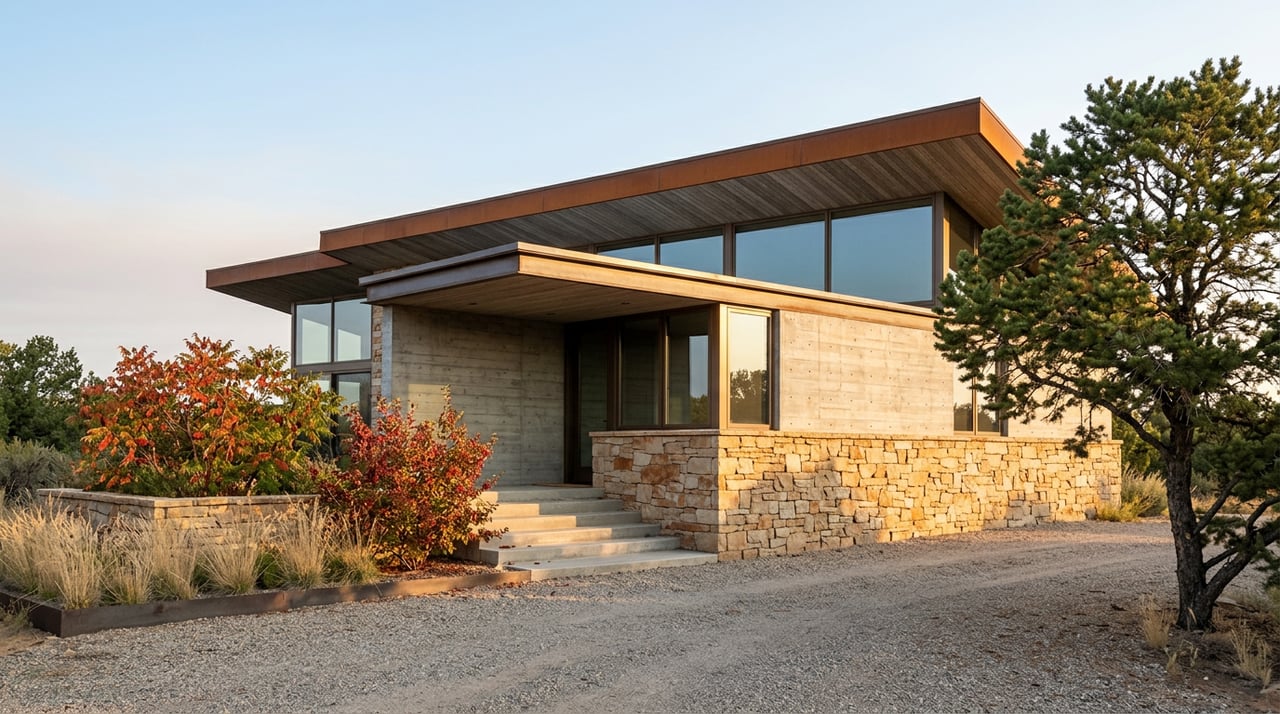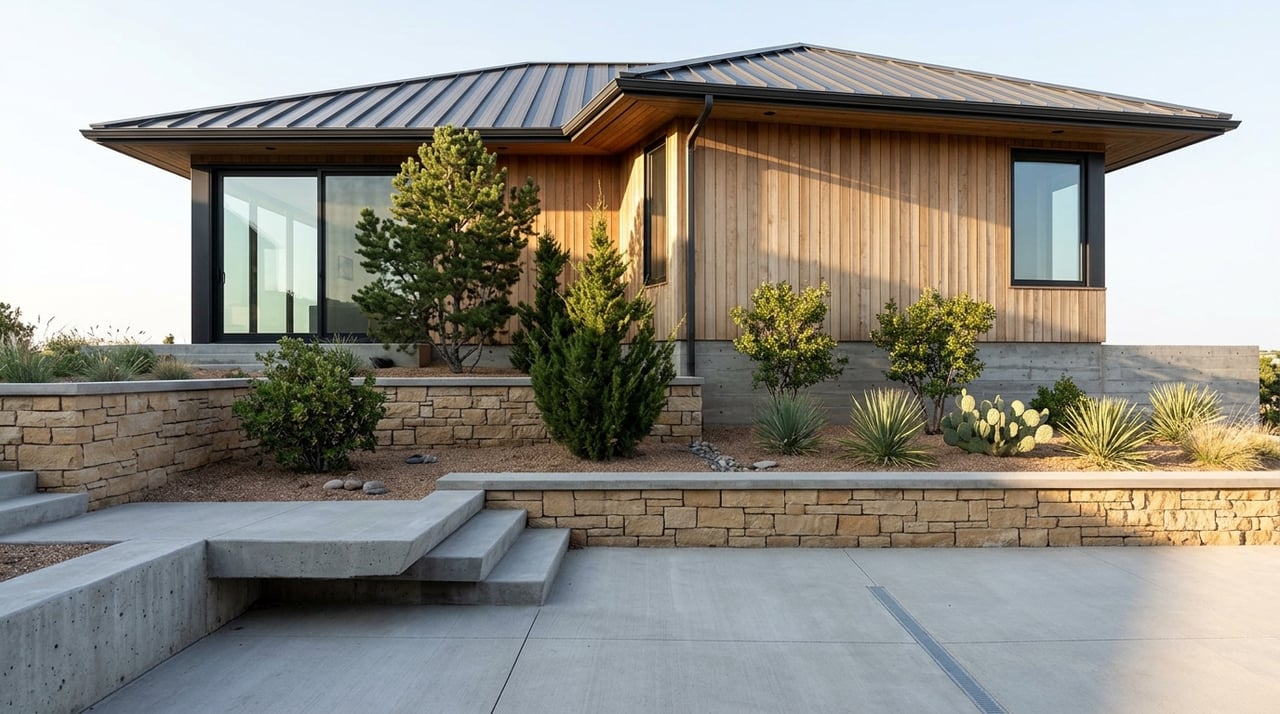
A Redlands view home can be unforgettable, but the best ones offer more than a pretty backdrop. If you are drawn to the mesas, monument views, and hillside settings in Redlands, you also need to know how durable that view is, how the lot functions, and how the home lives day to day. This guide will help you look past the listing photos and focus on the details that protect comfort, value, and resale over time. Let’s dive in.
Why Redlands views need a closer look
View premiums are real, but they are not automatic. Appraisal research shows that scenic views can add value, yet that premium is highly site-specific and can vary even between neighboring parcels.
That matters in Redlands, where topography changes quickly from one street to the next. A home with a strong sightline today may not offer the same experience if nearby landscaping matures or if the view looks over land that can still be developed.
The Redlands area has long been shaped by scenic vistas, variable terrain, and an open feel. Local planning documents also treat visual character, ridgelines, hillsides, and access to open space as important parts of the area’s identity.
Check whether the view is durable
A great first question is simple: what exactly are you looking at? A view over protected open space or public land is often more durable than a view across a vacant parcel that may change in the future.
Grand Junction city code includes ridgeline and hillside standards intended to preserve natural terrain, views, and visual resources. Even so, you should not assume a listing described as a “view home” has the same long-term value as another view property nearby.
Instead, treat each parcel as its own case. Sightlines, elevation, adjacent lots, and future surroundings all affect whether the view feels private, open, and lasting.
Questions to ask about the view
- Does the primary view face protected open space, public land, or a buildable lot?
- Are there neighboring trees or landscaping that could change the line of sight over time?
- Does the home sit on a parcel where ridgeline or hillside conditions affect what can be built nearby?
- Is the best view wide and usable from daily living spaces, or mostly visible from one window?
Make sure the home actually lives to the view
Some homes photograph well but do not function well. If the main living room, kitchen, patio, or deck does not face the scenery, you may find that the “view home” experience is more limited than expected.
Orientation also affects comfort. South-facing windows can bring in strong winter sunlight, while east- and west-facing windows can create more glare and summer heat gain. North-facing windows tend to provide more even light.
In practical terms, the most enjoyable Redlands view homes usually balance scenery with livability. You want the spaces you use most to face the view, while also paying attention to sun exposure, shading, and how the home handles heat and glare.
What to look for inside and outside
- Main living areas oriented toward the view
- Outdoor entertaining spaces on the view side
- Shade strategies for strong afternoon or summer sun
- Window placement that supports light without overwhelming glare
- A floor plan that lets you enjoy the view from everyday spaces
Review lighting and nighttime feel
A Redlands view is not only about daytime scenery. Nighttime livability matters too, especially if you value privacy, low glare, and darker skies.
Grand Junction’s outdoor-lighting code is designed to reduce light pollution, glare, and light trespass while protecting night-sky visibility. Before you write an offer, it is smart to look at the home after dark if possible and pay attention to nearby roads, commercial lighting, and existing exterior fixtures.
A property can have an excellent daytime outlook but a much different feel at night. That is especially important if your outdoor living space is a big part of why you are buying the home.
Topography can shape your costs and options
In Redlands, the slope of the lot can matter just as much as the panorama. Hillside conditions may affect construction, drainage, driveway design, maintenance, and future improvements.
Current city code says hillside development should preserve visual resources and natural terrain, and development on slopes above 30% is generally not permitted unless specific approvals and mitigation are in place. Mesa County land use rules also require hazardous conditions such as steep slopes, landslides, rock fall, wildfire hazards, and erosive soils to be identified and avoided or mitigated.
If you are buying an existing home, this matters for more than future building plans. It can affect retaining needs, erosion risk, access, and the practicality of changing outdoor spaces later.
Lot conditions worth verifying
- Whether the home sits on a ridgeline or steep slope
- Signs of erosion, retaining issues, or unstable soils
- Whether the driveway crosses challenging terrain
- How stormwater moves across or away from the property
- Whether there are limits on future exterior improvements
Pay close attention to drainage
Drainage has been a long-standing concern in Redlands. Earlier planning documents noted that runoff from storm events moves down local drainages toward the Colorado River and that flash flooding can affect washes and streams.
That means you should pay attention to where water goes during heavy weather, not just how the yard looks on a sunny showing day. A sloped lot with a strong view can still create expensive issues if runoff is not handled well.
Look at grading, swales, drainage paths, and any signs of past water movement. If the parcel has unusual topography or sits near a wash or drainage feature, that deserves extra review before you move forward.
Confirm sewer or septic before you commit
Utility setup is another area where Redlands buyers should slow down and verify details. Within Grand Junction city limits, lots must be served by a sewer system connected to a public wastewater facility.
In the broader Redlands area, historical planning data showed that many homes relied on on-site sewage systems. Older systems and limited replacement-field space can lead to significant repair costs, so you should confirm the current setup for the specific parcel rather than making assumptions based on the address alone.
This is one of those practical details that can affect both day-to-day ownership and future resale. A beautiful view does not cancel out infrastructure questions.
Think through wildfire exposure and access
Hillside living can come with added exposure to wildfire conditions and more complex access routes. Mesa County code requires defensible-space concepts around new homes in wildfire-prone areas, while local standards also emphasize safe ingress and egress.
For buyers, this means asking how easily the property can be reached, how the driveway functions, and whether emergency access would be straightforward. If the home sits on a narrow, steep, or winding approach, that should be part of your decision, not an afterthought.
You should also look at the area around the home with a practical eye. Slope, vegetation, and turnaround space can all influence how comfortable the property feels over the long term.
Use public records to verify parcel details
One of the smartest moves before writing an offer is to confirm the basics through Mesa County GIS and the Assessor Lookup. These tools can help verify parcel boundaries, zoning, jurisdiction, service providers, transportation context, assessed value, and tax records.
This step helps you determine whether the property falls under city or county rules, which can affect everything from sewer service to hillside standards. It can also help surface mapped hazard or access issues that are easy to miss during a showing.
If you are planning exterior changes, it is also important to know that the City requires permits for new or widened driveways, and driveways must meet adopted engineering standards.
Watch for future road changes
Access patterns are not frozen in place. Grand Junction’s 2026 through 2035 capital plan includes Redlands Parkway capacity expansion, Broadway capacity improvements in Redlands, and a Broadway and Redlands Parkway roundabout capacity project.
That does not mean every nearby property will be negatively affected. It does mean future construction, traffic patterns, noise, and approach routes may change over time.
For a view home, that can influence privacy, ease of access, and the overall feel of the property. It is worth checking whether planned transportation projects could affect your specific area.
A smart Redlands view-home checklist
Before you write an offer, use this checklist to keep your decision grounded:
- Confirm what the home actually overlooks
- Verify whether the view is likely to stay open
- Check if the main living spaces and patio face the view
- Review sun exposure, glare, and shading
- Assess slope, drainage, and erosion conditions
- Confirm sewer or septic service for the parcel
- Evaluate driveway function and emergency access
- Look at nighttime lighting and surrounding glare
- Review parcel details in Mesa County public records
- Consider how future road or nearby development could change the setting
A Redlands view home can be an exceptional purchase when the scenery, lot, and layout all work together. The key is to buy with both excitement and discipline.
If you want a clear, local read on a Redlands view property, The Agency Grand Junction can help you evaluate the lot, the livability, and the long-term resale picture with the level of detail these homes deserve.
FAQs
What makes a Redlands view home more valuable?
- A Redlands view home may command a premium when the view quality is strong, the sightline is durable, and the home’s layout makes the view usable from daily living spaces.
What should you check about a Redlands view before making an offer?
- You should verify whether the view faces protected open space, public land, or a parcel that could still be developed, since neighboring lots can affect long-term value.
Why does lot slope matter for a Redlands view home?
- Slope can affect drainage, access, erosion risk, future improvements, and whether the parcel has added review or mitigation requirements under city or county rules.
How do you know if a Redlands home is on sewer or septic?
- You should confirm the property’s current utility setup through parcel records and due diligence because homes within city limits must connect to public sewer, while some broader Redlands properties have historically used on-site systems.
Should you worry about access when buying a Redlands hillside home?
- Yes, because driveway design, emergency access, and ingress and egress can affect both daily convenience and long-term livability.
Can future road projects affect a Redlands view property?
- Yes, planned transportation improvements in the Redlands area may change traffic flow, access patterns, construction activity, and the overall feel around certain properties.