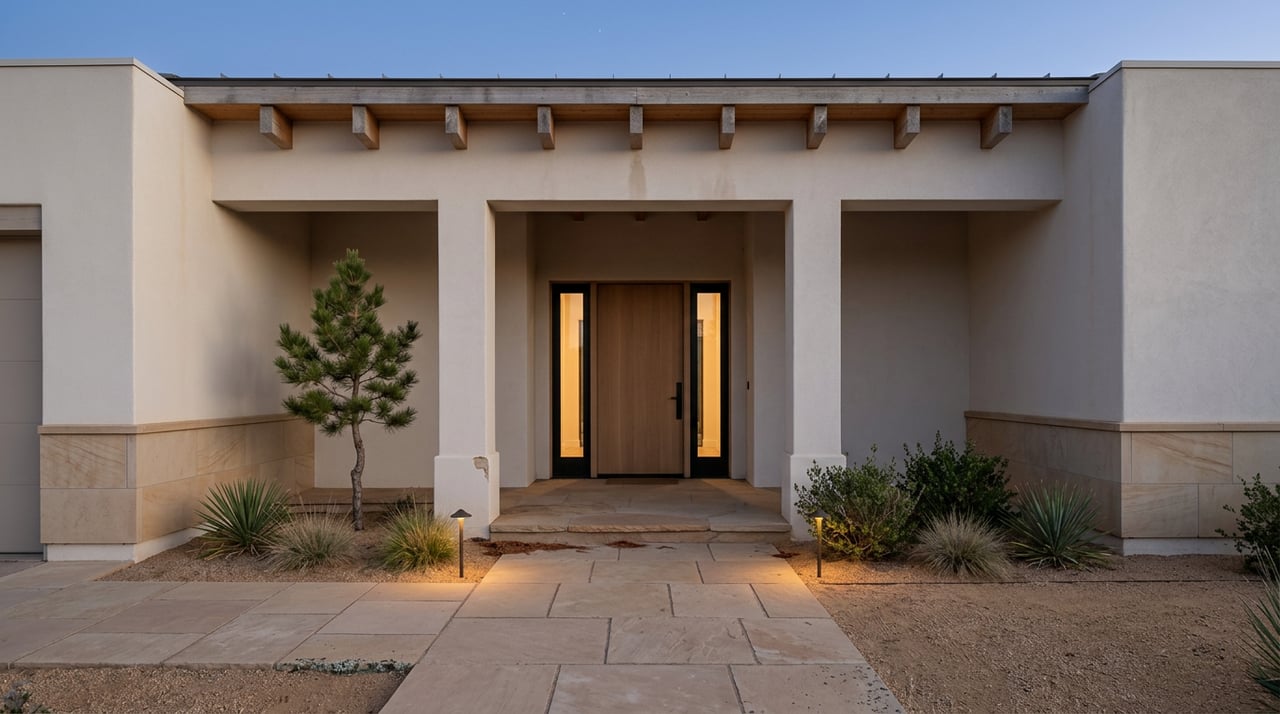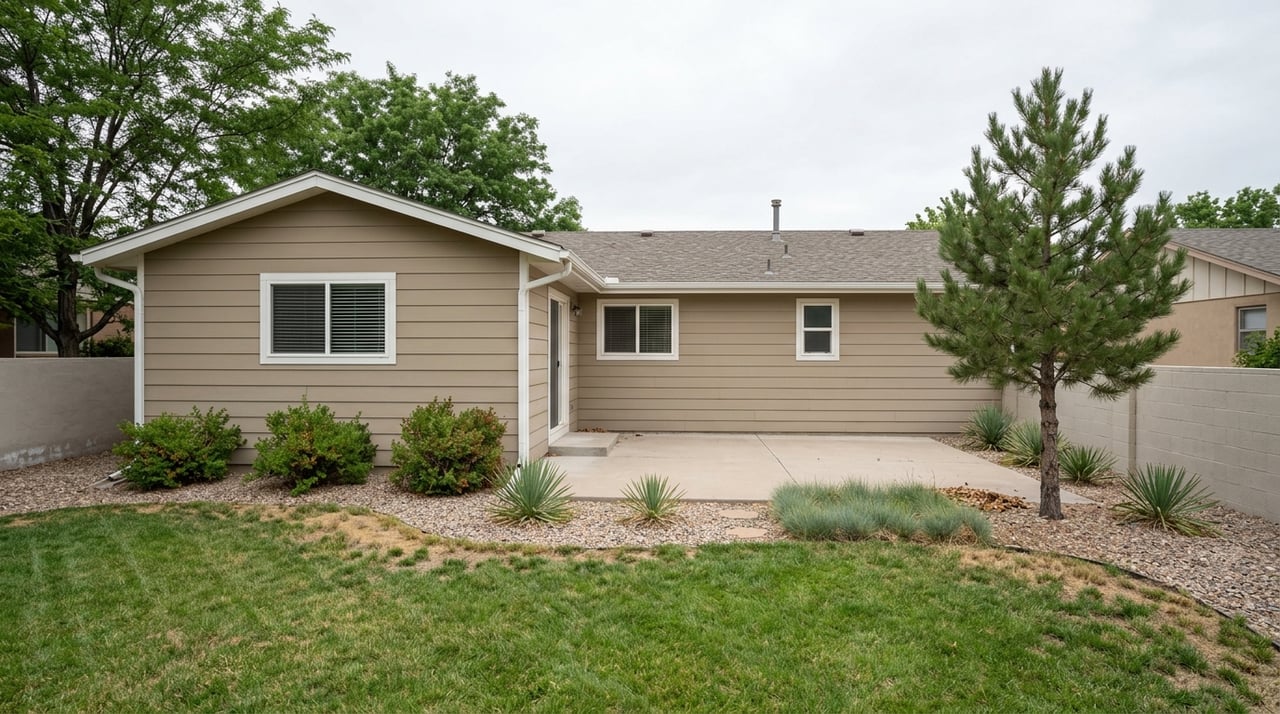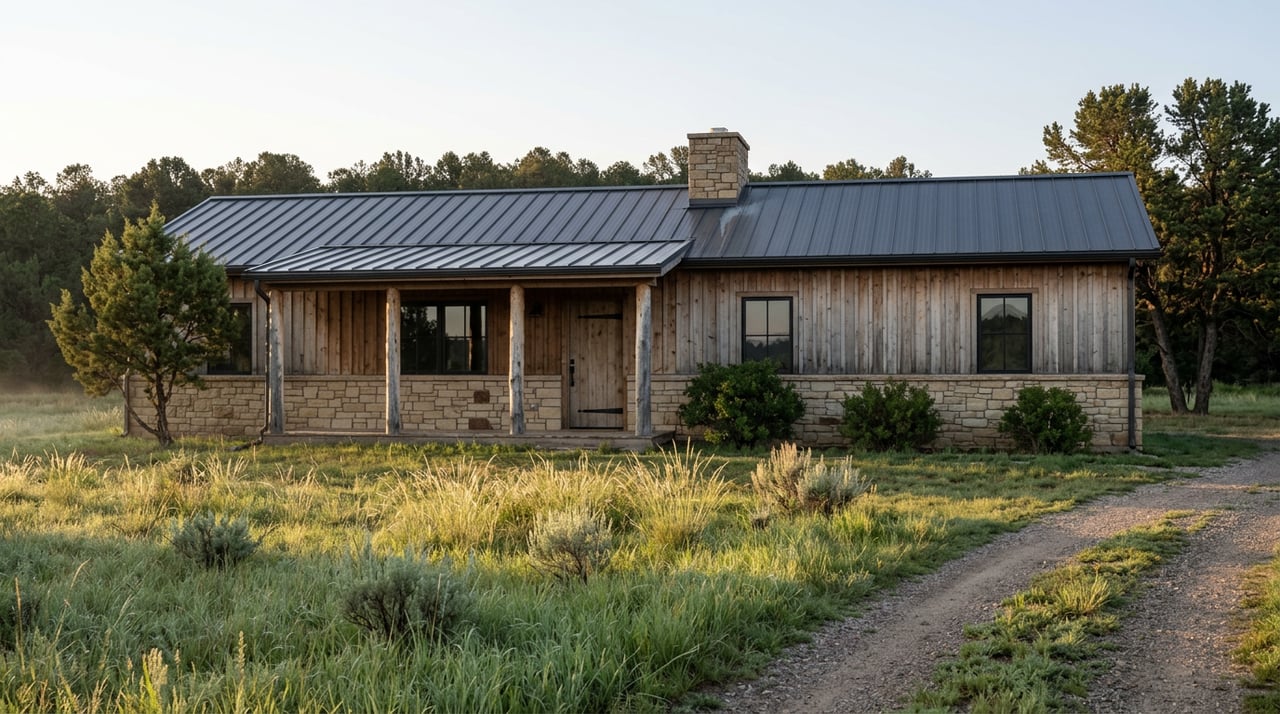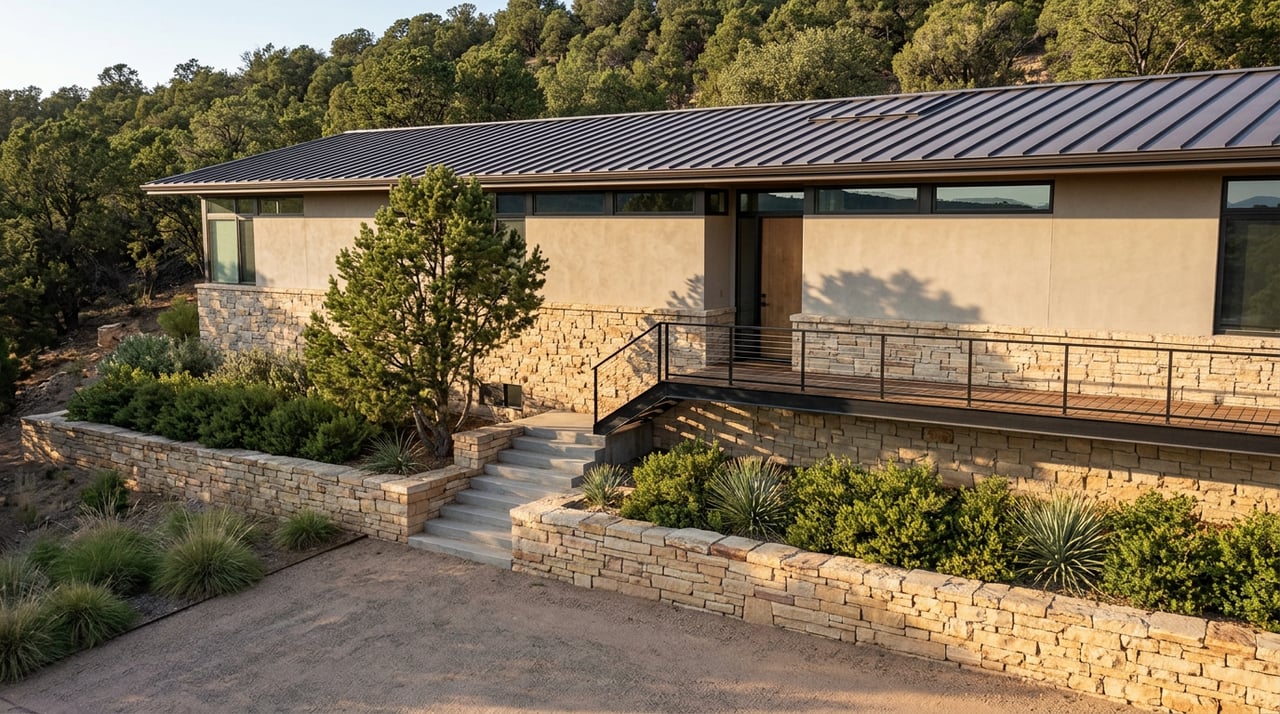
The view is the whole point of buying on a Redlands bench. Sandstone rising toward Colorado National Monument, orchards below, the kind of elevation change that turns a patio into a panorama. It's also the reason a state-mandated soil report exists for that exact parcel, and the reason it shows up on a timeline that has almost nothing to do with when you'd actually want to read it.
Buyers tend to treat "Redlands" as a single market with a single risk profile. The geology doesn't work that way. The Colorado Geological Survey's publication on the Redlands, along with the neighborhood's own area planning documents, flags unstable slopes, landslide deposits, expansive soil and rock, corrosive soil and rock, and flood-related hazards as relevant concerns here. None of that means every lot has a problem. It means the risk is tied to where a parcel sits on the bench, not to the neighborhood's name on a listing sheet. And the paperwork that's supposed to tell you which kind of lot you're buying arrives at a point in the transaction when most of your negotiating room is already gone.
One Name, Many Lots
Start with the baseline. USDA soil survey data describes the Redlands soil series as very deep and well drained, formed from wind-blown material and alluvium derived from sandstone and shale. On its own, that's an unremarkable geologic footprint. What changes the picture, lot by lot, is slope. A parcel on the flatter valley floor near the river and the historic grid carries a different hazard profile than a graded lot higher on the bench, where the same elevation that produces the view also produces slope-related mapping.
The Redlands Area Plan doesn't ask for a single fix. It asks for a detailed geologic and engineering investigation on every building site before design or construction begins. Mesa County backs that up with subdivision-specific foundation requirements that include a distinct entry for the Redlands area. And jurisdiction itself splits by parcel. Land inside Grand Junction city limits is regulated by the city. Unincorporated land nearby is regulated by the county. In the joint planning area, both share a future land-use map, but the city's read on it is regulatory and the county's is advisory. Two homes on the same Redlands street can answer to different reviewing authorities depending on exactly where the property line falls.
Here's a simple way to see how the hazard categories translate into something a buyer actually has to plan for:
| What the Area Plan flags | What it means for you |
|---|---|
| Unstable slopes, landslide deposits | Bench-edge and graded lots may need slope stabilization or setback review before any addition or major remodel |
| Expansive soil and rock | Foundation type and drainage design matter more than they would on flatter ground |
| Corrosive soil and rock | Buried utility lines and certain foundation materials may need extra protection or inspection over time |
| Flood-related hazards | Relevant mainly near drainage paths and lower-lying parcels, not uniformly across the bench |
| Slopes over 25% | Triggers additional site-plan and engineering review under county rules |
None of this is a reason to avoid Redlands. It's a reason to stop treating the neighborhood as one data point and start asking which category applies to the specific parcel in front of you.
The Report That Arrives With the Movers Already Booked
Colorado law requires that homeowners receive the state's Special Publication 43 soils report, commonly called SP-43, no later than 14 days before closing. That report covers soil conditions on the property. On paper, that sounds like protection. In practice, it's protection scheduled for the wrong moment.
By the time you're 14 days from closing, you've typically already removed your inspection contingency, locked your loan terms, and started coordinating movers. The SP-43 report wasn't built to inform your negotiation. It was built to make sure you've seen something in writing before you sign, which is a different goal entirely. If a Redlands parcel sits on a graded bench lot with mapped slope concerns, the report confirming that reaches you after the window to ask for concessions, request a deeper inspection, or walk away with your earnest money has already mostly closed.
That gap matters more in a market where offers move quickly. Grand Junction's housing market has stayed competitive through 2026, with well-priced homes continuing to draw offers fast. A buyer working on a normal contract timeline can be fully committed before the state's own soil disclosure shows up.
Common, But Not Uniform
Expansive soil isn't unique to Redlands. Edward Fronapfel, president of the geotechnical and engineering firm SBSA, has pointed out that expansive soil shows up along the Front Range, the Western Slope, Grand Junction, and Durango. Matt Leprino of the Colorado Association of Realtors has gone further, telling reporters that expansive soil is common enough in Colorado that it's considered the cost of doing business, rarely treated as a major cost factor when a home is priced for market.
That framing is accurate for the region as a whole, and it's exactly what makes lot-specific verification easy to skip. If everyone treats expansive soil as background noise, nobody stops to ask whether a particular Redlands parcel also carries a slope designation, a landslide deposit flag, or a corrosive soil note that a flatter lot two streets over doesn't have. Common doesn't mean uniform. It means the specific combination on your parcel is worth confirming before you're contractually committed, not after.
What Bench Position Tells You That the Report Won't
Redlands spans a real range of terrain, from the historic grid near the river up through graded benches toward the monument. The same features that make the upper benches desirable, elevation change, exposed sandstone, engineered retaining and grading, are the categories the Area Plan calls out for slope and landslide review. A move-up buyer chasing a view lot in Redlands is, by definition, looking at the part of the neighborhood most likely to carry one of these designations. That's not a reason to avoid those homes. It's a reason to ask for the parcel-specific geologic history before falling for the view.
Before You Write the Offer, Not After You Sign
A few moves change the sequence in your favor:
Ask the seller directly whether a geotechnical investigation exists for the parcel, and if so, request it during your due diligence period rather than waiting for the SP-43 report to arrive on its statutory schedule. Confirm which authority, city or county, actually governs that specific parcel, since the answer affects future permitting even if it doesn't affect today's sale. Review HOA covenants and plat notes as their own document. Mesa County's plat checklist requires that protective covenants be noted on the plat or referenced by recorded book, page, or reception number, which means restrictions on exterior materials, fencing, or drainage responsibility can vary parcel to parcel even within one subdivision. And if the home shows any sign of past foundation work, ask for the engineering documentation behind the repair, not just a description of what was patched.
For Sellers: Get Ahead of What's Already Public
If you're listing a bench or view lot in Redlands, the hazard categories tied to your parcel are already documented in county planning records. Ordering your own geotechnical summary before you list, rather than letting a buyer's attorney surface it during their own due diligence, keeps you in control of the timeline instead of reacting to it. If your home has had prior foundation work, local firms familiar with Redlands conditions, including River City Foundation Repair and Groundworks, both describe soil composition and moisture shifts as the recurring cause of cracking and settling in this part of Mesa County. Having that documentation organized before a buyer asks for it is the difference between a straightforward conversation and a renegotiation.
FAQ
Does every home in Redlands have expansive soil or slope risk? No. The Area Plan identifies these as relevant concerns for the neighborhood generally, but the specific combination of hazards depends on where a parcel sits on the bench, not on the neighborhood name alone.
Is the SP-43 report the same as a home inspection? No. SP-43 addresses soil conditions and is a separate, state-required disclosure. It doesn't replace a general home inspection or a targeted geotechnical evaluation, and it isn't scheduled to arrive in time to shape your inspection negotiations.
Can I get geologic hazard information before I write an offer? Yes. Mesa County's parcel-level records include zoning, floodplain status, geological hazards, and slope data that can be reviewed before you're under contract, not just before closing. The earlier you pull it, the more useful it is.
Redlands rewards buyers who understand that the neighborhood isn't one market, it's a series of parcels with their own histories written into the ground beneath them. If you're weighing a Redlands purchase or getting a bench-lot property ready to list, The Agency Grand Junction can walk the parcel-specific details with you before you're locked into a timeline that isn't built to protect you. Get a Free Home Valuation and let's look at what your specific lot's history actually says.