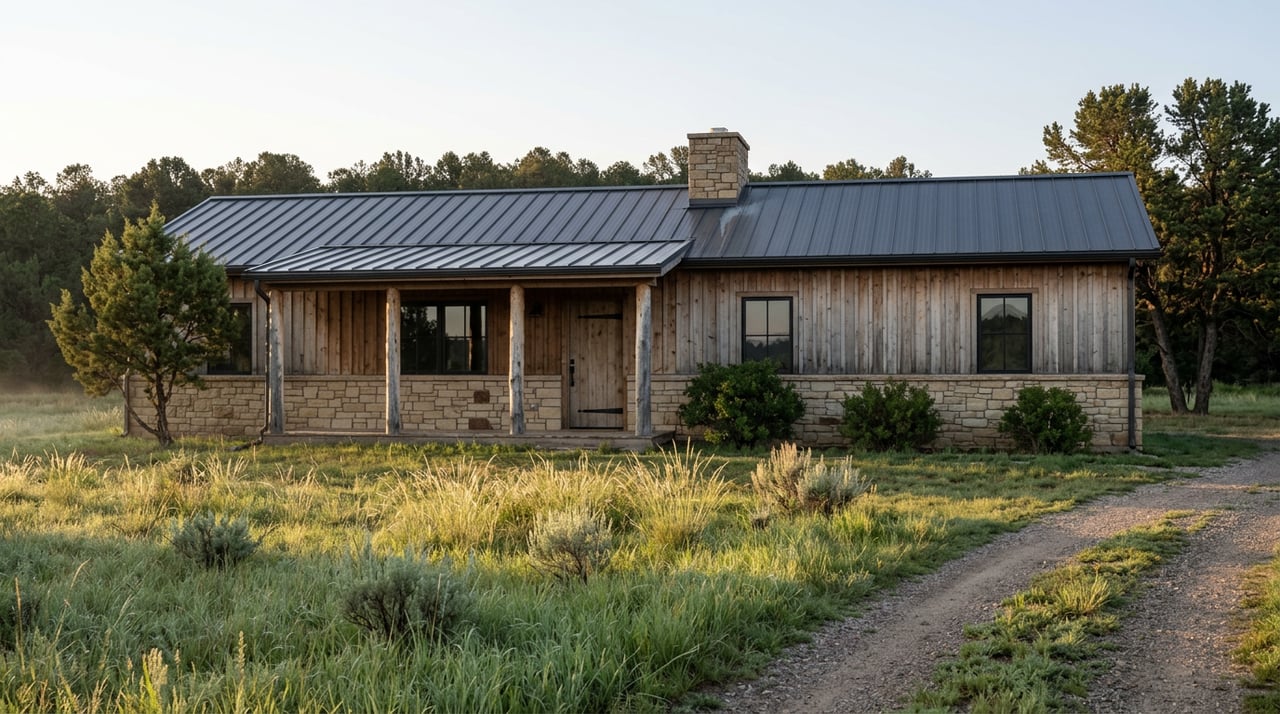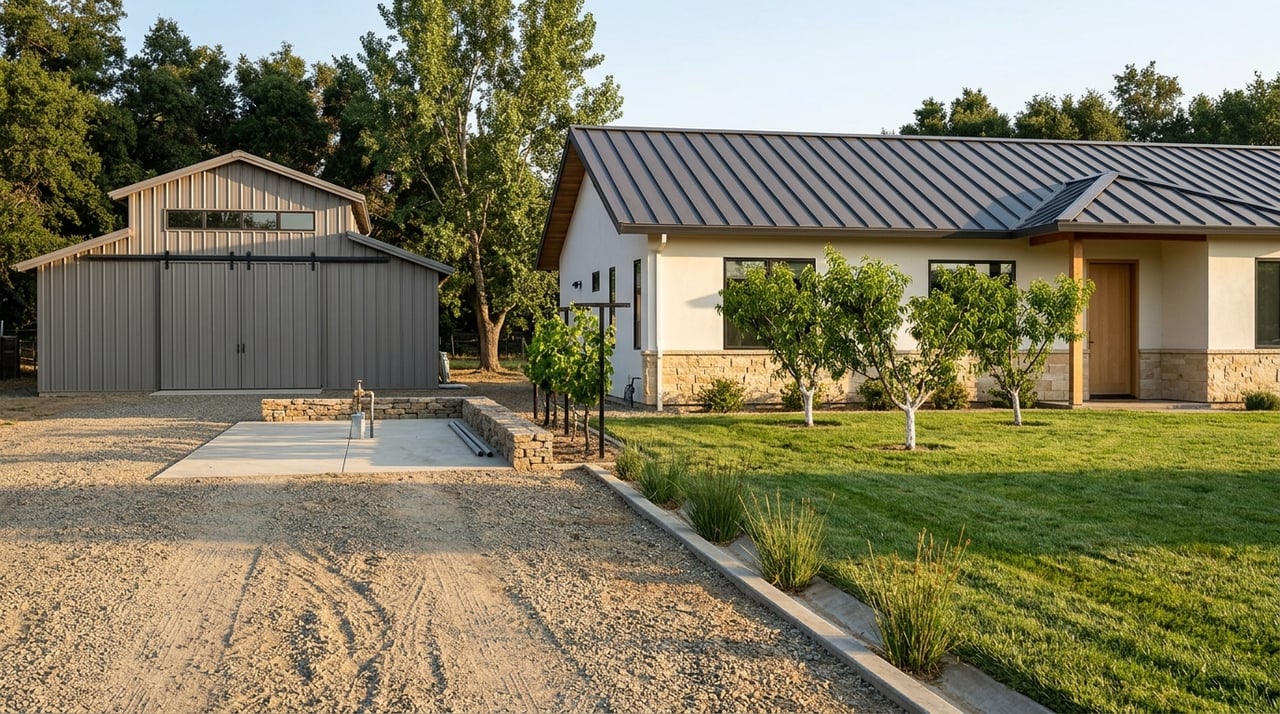
Dreaming about a few rows of fruit trees, space for animals, or a workshop with room to breathe? In Palisade, buying small acreage or a hobby farm can be exciting, but it also comes with more moving parts than a typical home purchase. If you want to avoid surprises around zoning, water, septic, or access, a little upfront diligence can protect both your plans and your budget. Let’s dive in.
Why Palisade acreage needs extra review
Buying small acreage in Palisade is not just about finding the right house and land. It is also about confirming which rules apply to that specific parcel and whether the property supports the way you want to use it.
Mesa County administers building, planning, and OWTS services for Palisade projects, while Town of Palisade planning materials show parcel-specific zoning and accessory structure rules. In practice, that means you should verify jurisdiction, zoning, water source, access, and existing permits before you write an offer.
Start with jurisdiction and zoning
One of the first questions to answer is whether the property is inside the Town of Palisade or in unincorporated Mesa County. That distinction can affect your zoning, permit path, and what you can build or change later.
If you are planning a shop, barn, greenhouse, garage, or equipment shed, do not assume it will be allowed just because the lot looks large enough. Town planning materials referenced MU, AFT, SFR, and MFR districts in January 2025, and a garage-height variance request showed the town was applying a 15-foot accessory garage height limit at that time.
Mesa County rules can also shape what happens on acreage outside town limits. The county states that accessory structures generally are not allowed until required permits and approvals for the principal use are in place, with some limited exceptions. On 1-acre or larger rural or urban parcels, one accessory structure may be allowed before a residence, and agricultural outbuildings may be treated differently when they are clearly tied to agricultural use.
What to confirm before you offer
- Whether the parcel is in the Town of Palisade or unincorporated Mesa County
- The exact zoning district
- Whether your intended use is allowed
- Height, size, and setback rules for any future structures
- Whether past additions or outbuildings were properly permitted
Plan your outbuildings carefully
A hobby farm often starts with a vision. Maybe you want a barn, detached garage, greenhouse, or a larger shop for equipment and storage. In Palisade, that vision needs to line up with the parcel’s rules.
The key issue is not just whether a structure would be useful. The real question is whether the parcel can legally support it under the applicable district standards, setbacks, and permit requirements.
If a larger garage or shop is part of your plan, compare your idea to current town or county rules before you go under contract. Some Palisade-area projects have needed variances for taller accessory structures, so this is worth checking early.
Understand livestock and fencing limits
If your goal includes chickens, goats, horses, or other domestic livestock, acreage size matters. Mesa County uses a livestock framework that becomes more restrictive on smaller parcels.
On parcels under 10 acres, domestic livestock must be confined, fenced, or otherwise controlled so they do not run at large. The county also uses animal-unit-per-acre standards in at least some zoning contexts, which means the number and type of animals may be limited by parcel size and zoning.
Setbacks matter too. In rural land-use areas, new domestic livestock pens or similar confinement areas may need to stay 100 feet from dwellings on adjacent parcels. The county also identifies 300-foot separation standards between principal residences and barns or livestock buildings or pens in development standards for certain open-land uses.
Questions to ask about animals
- How many animals are allowed on this parcel?
- Are there animal-unit limits tied to acreage or zoning?
- Where can pens, barns, and fenced areas go?
- Do setbacks from neighboring dwellings affect the layout?
- Are any existing livestock structures already approved?
For many buyers, these details should be part of the offer period, not something to sort out after closing.
Water is not a simple box to check
In Palisade, water can be one of the biggest differences between a standard home purchase and a small-acreage purchase. Colorado water use follows prior appropriation, which means water is administered on a first-in-time, first-in-right basis through the Division of Water Resources.
That is why irrigation should not be treated like a generic utility. In this area, irrigation is often tied to local ditch companies rather than domestic water service.
The Palisade Irrigation District delivers Colorado River water to agricultural enterprises in the eastern Grand Valley. GVWUA operates the Government Highline Canal and offers an irrigation provider search by address, which shows how parcel-specific irrigation access can be.
Mesa County code reinforces the importance of irrigation review. The county states that new development must use irrigation water for irrigation purposes wherever irrigation water is physically and legally available, rather than potable domestic water. The county also states that new development cannot interfere with canal or lateral easements without written consent from the owner and responsible irrigation district or company.
Water and irrigation items to review
- Irrigation provider name
- Share ownership, if any
- Delivery history and schedule
- Whether irrigation water is physically and legally available
- Recorded ditch or canal easements on the property
- Whether your site plans would affect any canal or lateral easements
Review wells and water quality
Some Palisade-area properties rely on private wells. If that is true for the property you are considering, the well permit should be part of your due diligence package.
The Colorado Division of Water Resources issues well permits and maintains permit files that can show allowable uses and construction records. That matters because the permit helps confirm what the well is authorized to serve.
Colorado public health guidance also notes that private wells do not have the same protections as municipal water systems. For that reason, it is smart to review the well permit and ask for recent water-quality testing during your inspection period.
Check sewer versus septic early
Wastewater service is another major checkpoint on small acreage. If the property is not connected to public sewer, you will want to review its onsite wastewater treatment system, often called an OWTS or septic system.
Mesa County’s OWTS department issues septic permits and clearances and reviews land-use applications where an OWTS is proposed. State and county rules generally limit new OWTS permits where public sewer is available unless sewer service is not feasible or otherwise authorized.
For buyers, that means you should pull septic permits, clearance records, and any repair history if the property is not on sewer. A system that works fine today may still affect future additions, bedroom count, or site planning.
Confirm legal access and road responsibility
Access is easy to overlook when a property already has a driveway, but it deserves close review. In Mesa County, a driveway permit is required when a new driveway will connect to a county right-of-way.
The county says the access permit system is intended to protect safety, drainage, and road capacity. The county also states that issuing a permit does not mean the county accepts a road into the county system or takes over maintenance responsibility.
That distinction matters if your parcel is served by a private road or shared access route. You should confirm driveway access, road maintenance responsibility, and whether any future changes would require a county access permit.
Look at flood risk and site layout
Some acreage looks perfect at first glance but has practical limits once drainage, irrigation channels, or floodplain rules come into play. Mesa County’s floodplain program offers property-specific flood-risk information and site visits.
The county also notes that sheds, fences, diversions, and other accessory structures can require floodplain permits in high-risk areas. In Palisade, this is especially relevant on land near irrigation channels, river-adjacent areas, low spots, or drainage swales.
If you are planning to build, expand, grade, fence, or add outbuildings, review floodplain status before you finalize the purchase. That step can help you understand where improvements may actually fit.
A practical Palisade due diligence checklist
When you are buying small acreage or a hobby farm in Palisade, these are the items worth confirming before you go under contract or during your offer period:
- Confirm whether the parcel is inside the Town of Palisade or in unincorporated Mesa County
- Verify the zoning district and your intended use for the home, barn, shop, greenhouse, or animal setup
- Review accessory structure rules, including height and setback requirements
- Ask for irrigation documents, including provider information, share ownership, easements, and delivery details
- Pull the well permit and request recent water-quality testing if the property uses a private well
- Pull septic or OWTS permits, clearances, and repair history if the property is not on sewer
- Confirm driveway access and who maintains the road
- Ask whether any access permit is needed for future driveway changes
- Review animal limits, fencing rules, and setbacks for pens or livestock structures
- Check floodplain status before planning new grading or improvements
- Verify that existing buildings, additions, and outbuildings were properly permitted
Why local guidance matters
Small-acreage purchases often look straightforward online, but the real value is in understanding how the parcel functions in the real world. A property can be attractive on paper and still fall short if the water setup, access, zoning, or permit history does not match your plans.
That is where a local, process-driven approach makes a difference. When you have clear guidance on the right questions to ask early, you can move forward with more confidence and avoid preventable surprises later.
If you are considering small acreage or a hobby farm in Palisade, The Agency Grand Junction can help you evaluate the property, the paperwork, and the practical details that matter before you commit.
FAQs
What should you verify before buying small acreage in Palisade?
- You should confirm jurisdiction, zoning, intended use, water source, irrigation availability, septic or sewer status, access, floodplain status, and permit history before moving forward.
How do zoning rules affect hobby farm plans in Palisade?
- Zoning can affect whether you can have certain animals, build a shop or barn, add a greenhouse, or place structures where you want them on the parcel.
Why is irrigation so important when buying acreage in Palisade?
- Irrigation in the Palisade area is often tied to local ditch systems, water delivery rights, and easements, so you need to verify how water reaches the property and whether it is legally and physically available.
What should you check if a Palisade property has a private well?
- You should review the well permit, confirm allowable uses and construction records, and ask for recent water-quality testing during due diligence.
What matters most about septic systems on Palisade acreage?
- If the property is not on public sewer, you should review OWTS or septic permits, clearance records, and repair history because the system can affect both current use and future improvements.
Can you build a large shop or barn on Palisade small acreage?
- It depends on the parcel’s jurisdiction, zoning district, height limits, setbacks, and permit path, so you should verify those details before you write an offer.