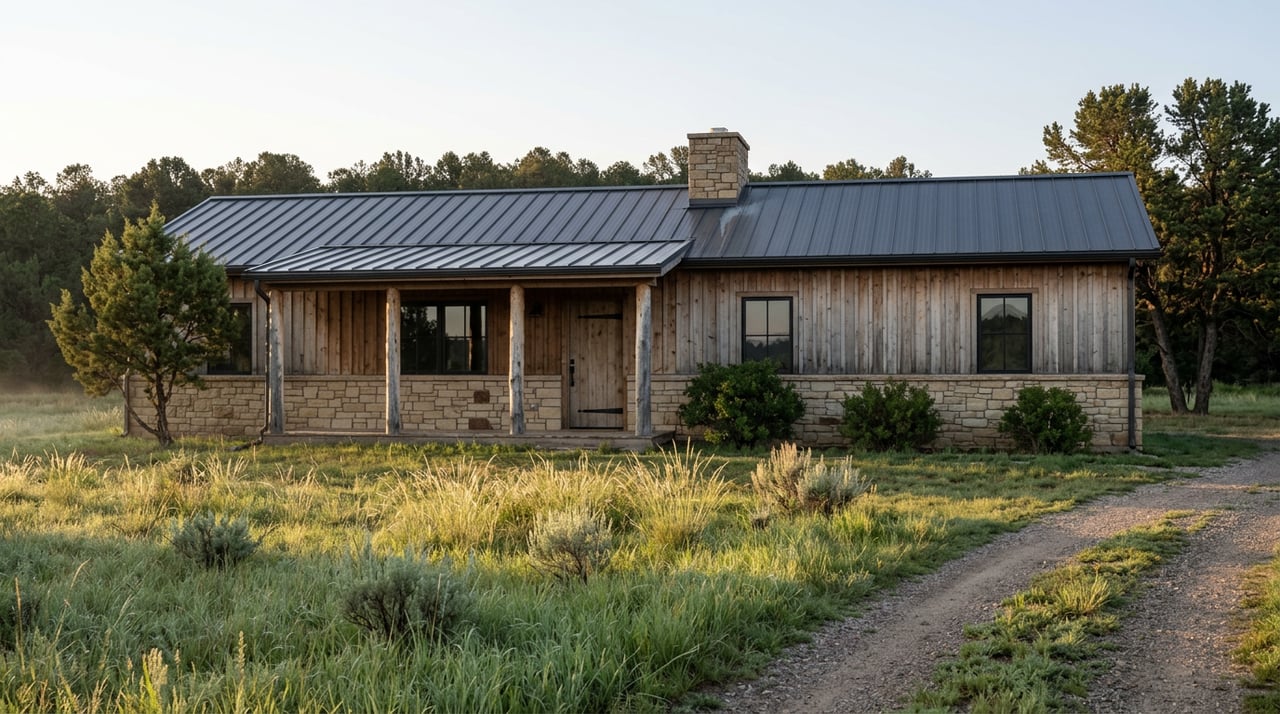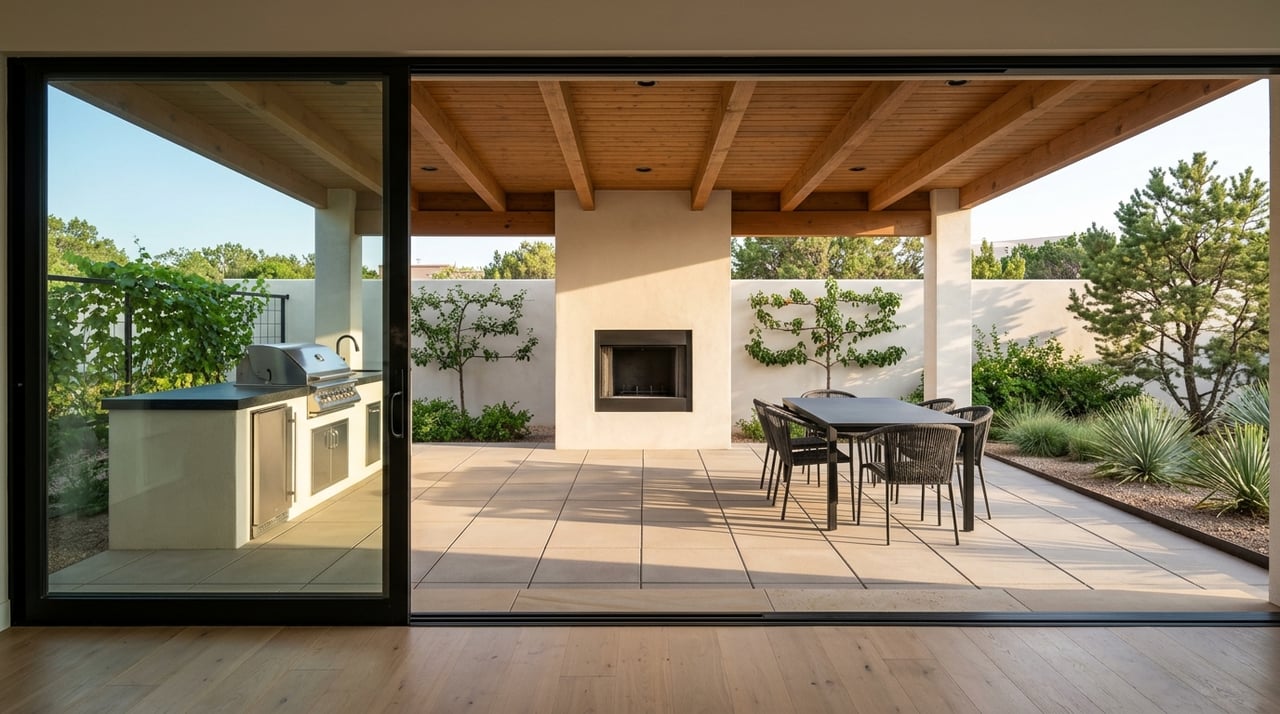
If you live in Palisade, indoor-outdoor living is not just a design trend. It is a practical way to enjoy warm days, cool evenings, and the orchard-and-vineyard setting that makes this part of the Grand Valley so distinctive. Whether you are updating your current home or thinking about resale value, the right design choices can help you create spaces that feel open, comfortable, and well suited to the local climate. Let’s look at how to design an indoor-outdoor setup that works beautifully in Palisade.
Why Indoor-Outdoor Living Works in Palisade
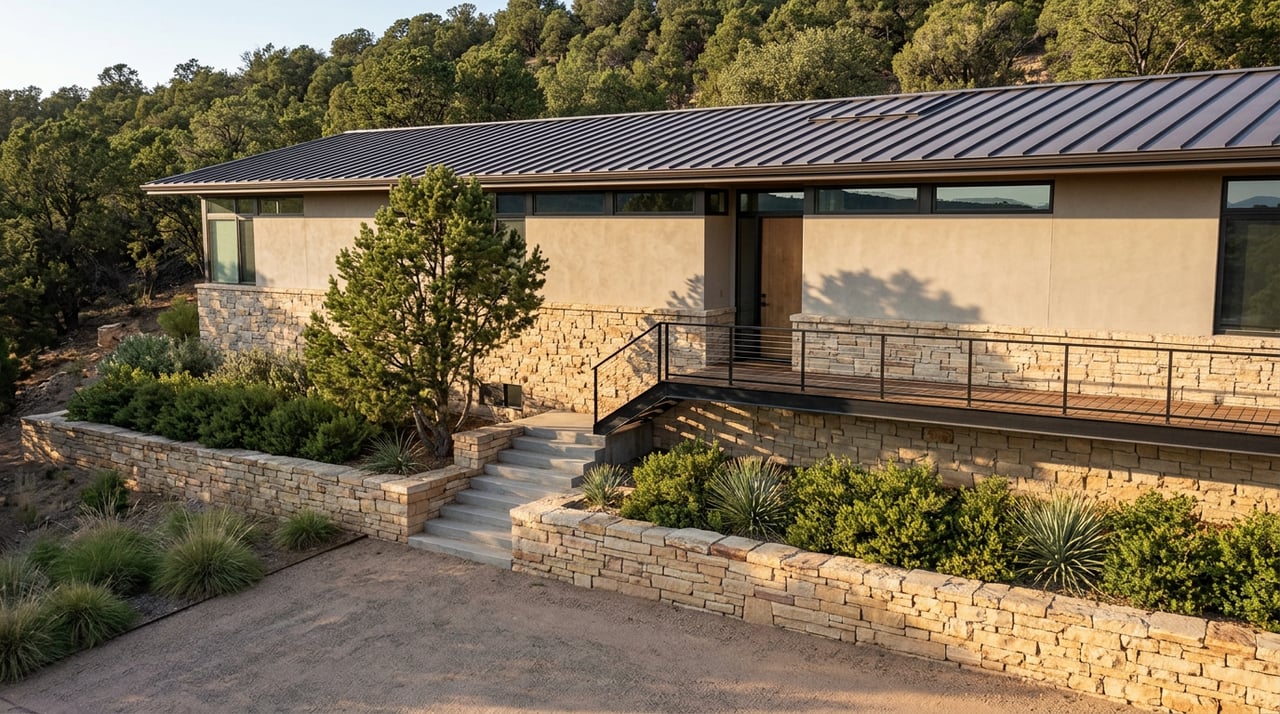
Palisade is known for its scenic setting along the Colorado River with views tied to orchards, vineyards, and the surrounding mesas. That landscape naturally supports homes with patios, decks, and outdoor gathering areas that feel like an extension of the property rather than an afterthought.
The climate also helps. Archived Colorado Climate Center normals for Palisade show an annual mean temperature of 53.9 degrees, an average high of 67.3 degrees, an average low of 40.4 degrees, and annual precipitation of 10.72 inches. That generally gives you a long stretch of usable outdoor time, especially from spring through fall.
At the same time, Palisade is still a high-desert environment. Colorado State University Extension notes that Colorado landscapes deal with high-intensity sunlight, low humidity, temperature swings, and wind. In practical terms, that means your outdoor space should be designed for flexibility, not just looks.
Start With the View
The best indoor-outdoor spaces in Palisade usually begin with orientation. Before choosing furniture or finishes, think about what you want to frame from inside the house and from the patio. In many homes, that may be vineyard rows, orchard views, river corridors, or open sky toward the Grand Mesa.
If you are remodeling, large doors or broad window lines can help connect indoor gathering spaces to the exterior. The goal is not to erase the boundary completely. It is to make the transition feel natural, so the outdoor area reads like another room.
This is also where layout matters. A patio placed to capture a view while staying usable during the hottest part of the day will often feel more successful than a larger space with no shade strategy.
Plan Shade for Real Comfort
One of the biggest questions in Palisade is how much shade is enough. Because of the area’s strong sun and dry climate, full exposure may look appealing in a photo but feel less comfortable during long afternoons.
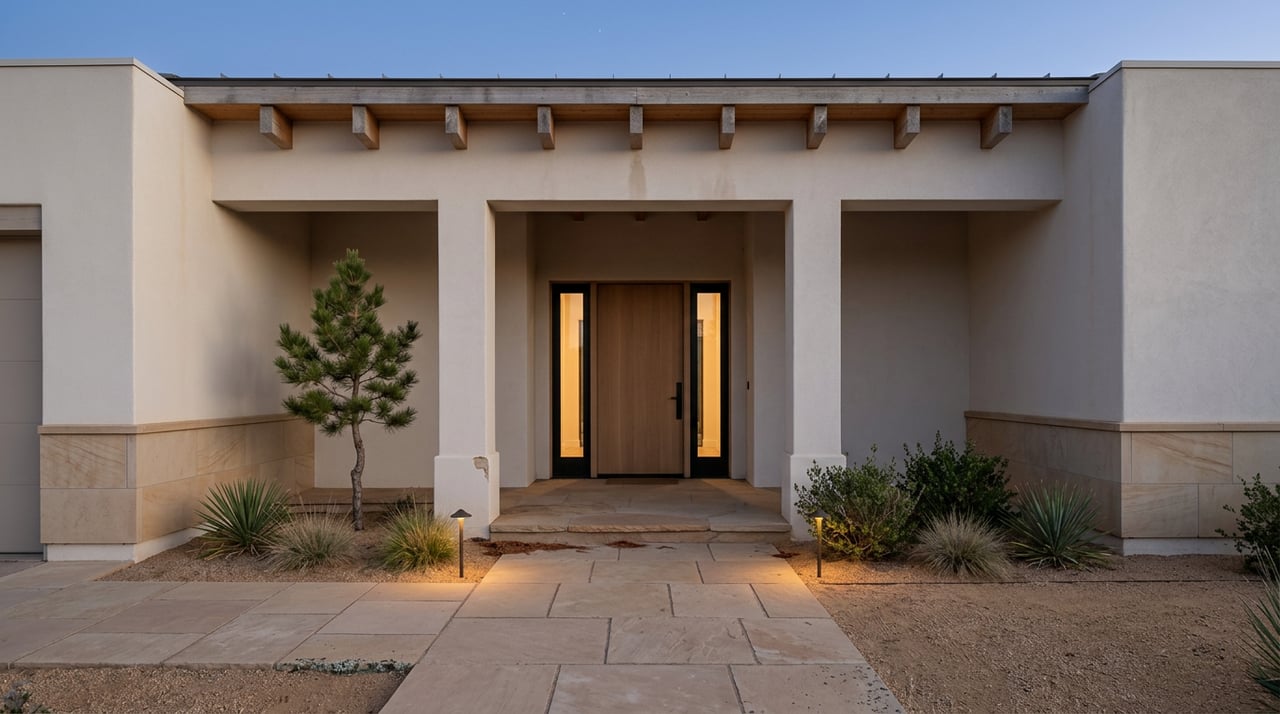
Deep overhangs, covered patios, pergolas, and partial screening can make a big difference. These features help soften direct sun while still keeping the space bright and open. They can also make outdoor dining and seating areas more usable over a longer season.
A layered approach often works best. You might combine a covered zone near the home with a more open seating area farther out, giving you options throughout the day. That kind of flexibility fits Palisade’s warm days and cooler evenings especially well.
Manage Wind Without Closing Off the Space
Grand Valley weather can bring wind, even when temperatures are comfortable. A well-designed space should help block or redirect wind without cutting off the openness that makes indoor-outdoor living appealing.
Partial walls, strategic screening, and thoughtful furniture placement can help create sheltered pockets. Covered patios can also reduce exposure while keeping sightlines open. The goal is to create comfort, not to build a barrier between the home and its setting.
This balance matters for resale too. Buyers often respond well to outdoor spaces that feel easy to use, not overly exposed or overly enclosed.
Choose Materials That Fit the Setting
Materials should support both style and durability. In Palisade, outdoor areas benefit from surfaces that handle strong sun, dry conditions, and regular temperature shifts without feeling high maintenance.
For many homeowners, that means keeping the palette simple and grounded. Stone, concrete, metal accents, and natural-toned finishes often pair well with the surrounding landscape. These choices can help the home feel connected to the Western Slope setting while still looking clean and current.
If you are making updates with future resale in mind, consistency matters. Outdoor finishes that relate to the home’s interior flooring, trim tones, or architectural style tend to make the transition feel more intentional.
Use Water-Wise Landscaping Around Living Areas
A beautiful outdoor living space in Palisade does not have to rely on large turf areas. Colorado State University Extension recommends matching plants to actual site use and grouping plants by water need, an approach often called hydrozoning. That guidance is especially relevant in Colorado, where landscape irrigation accounts for 7 to 10 percent of the state’s total water use.
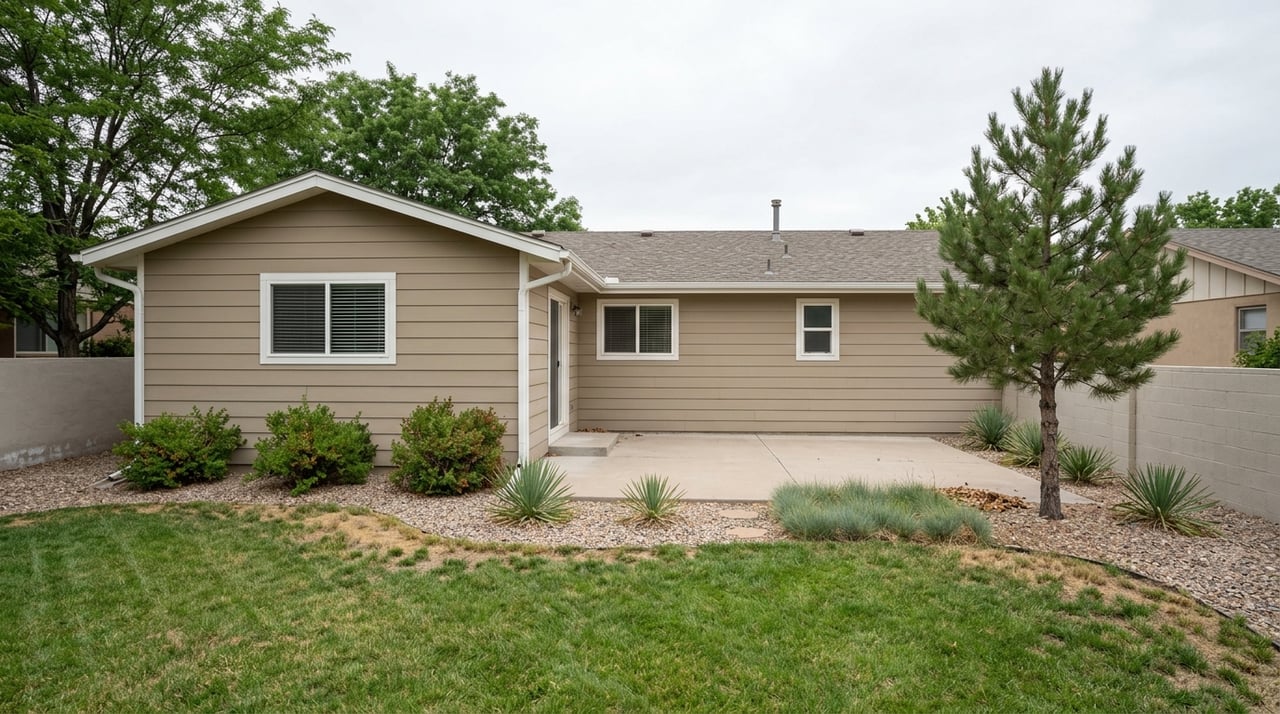
For entertaining areas, lower-water plantings can be a smart fit. Plant beds can soften patios and walkways without creating the higher water demand of broad lawn areas. Efficient irrigation can also help support the landscape while keeping maintenance more manageable.
This kind of planning helps you get more function from your yard. Instead of asking every part of the property to do the same job, you can create distinct zones for gathering, circulation, and planting.
Keep Fire-Wise Design in Mind
If your home is near more open landscape, wildfire-aware planning is worth factoring into your design. Mesa County guidance recommends keeping the 0 to 5 foot zone around the house sparse and using rock or gravel rather than mulch or plants in that immediate area.
The same guidance recommends screening vents, cleaning gutters, enclosing under-deck spaces, and using patios and paths as fire breaks. These steps can support a cleaner, lower-fuel landscape while still allowing your outdoor areas to feel attractive and usable.
For homeowners, this is an important reminder that good design is not only about appearance. In Palisade, a thoughtful indoor-outdoor space should also reflect local environmental conditions.
Think Through Seasonal Use
Palisade’s outdoor season is generous, but it is not year-round in the same way as a milder coastal climate. A Colorado Climate Center analysis using NOAA 1991 to 2020 normals says Palisade’s average first 32-degree freeze is October 26, with the earliest since 1991 occurring on October 4, 2016.
That makes adaptability important. A space that performs well from spring through fall will often include a mix of sun and shade, room for layering seating, and some shelter from wind. Covered areas near the home can also help extend use into cooler evenings.
If you are planning for everyday living, think less about a single perfect weather moment and more about how the space will function across several months. That approach usually leads to better design decisions and better long-term value.
Know When Permits May Matter
Some outdoor projects in Palisade are relatively simple, while others may need closer review. The Town of Palisade’s building code adopts the 2024 International Building Code and International Residential Code, including patio-cover appendices. It also states that each separate building, structure, pool, or retaining wall requires a separate permit.
The code notes that decks not more than 30 inches above grade are exempt, and shade fabric structures of 400 square feet or less are exempt. Even so, larger covered patios, attached outdoor kitchens, utility-connected features, or projects near setbacks may require more review.
For homeowners, the key is to avoid assuming every outdoor addition is a quick add-on. If your plan goes beyond a small, simple feature, it is wise to check with the local building office early in the process.
Design Choices That Can Support Resale
Indoor-outdoor living can be a strong lifestyle feature when it is executed well. In Palisade, buyers are often drawn to homes that reflect the setting and make the most of the climate without ignoring sun, wind, or maintenance needs.
The most appealing spaces usually share a few traits:
- Clear connection between indoor rooms and outdoor gathering areas
- Comfortable shade strategy
- Open views with some wind protection
- Water-wise landscaping
- Clean, durable materials
- Practical awareness of local code and fire-wise design
For sellers, these features can help a home photograph well and show well in person. For buyers, they can make a property feel more livable from day one.
A Smart Approach for Your Palisade Home
The best indoor-outdoor spaces in Palisade are not necessarily the biggest or most elaborate. They are the ones that respond to the property, the climate, and the way you actually want to live. A thoughtful patio, a shaded seating area, and a clean landscape plan can often do more than an oversized project that ignores the site.
If you are buying, selling, or planning updates in Palisade, it helps to look at these choices through both a lifestyle and resale lens. That is where local market perspective matters. For tailored guidance on what features make sense for your property and your goals, connect with The Agency Grand Junction.
FAQs
What makes indoor-outdoor living a good fit for Palisade homes?
- Palisade’s warm days, cool nights, scenic orchard-and-vineyard setting, and generally long outdoor season make patios, decks, and connected living spaces a natural fit for many homes.
How much shade should an outdoor living space in Palisade have?
- Because Palisade has strong sun and a dry climate, many outdoor spaces benefit from meaningful shade through covered patios, pergolas, overhangs, or partial screening rather than full sun exposure all day.
What landscaping approach works best around Palisade outdoor living areas?
- Water-wise landscaping is a practical choice, including grouping plants by water need, using efficient irrigation, and choosing lower-water plantings around gathering spaces instead of relying heavily on turf.
What fire-wise landscaping details matter for Palisade homes?
- Mesa County recommends keeping the first 0 to 5 feet around the home sparse, using rock or gravel instead of mulch or plants in that immediate zone, and considering steps like enclosing under-deck spaces and keeping gutters clear.
Do patios, decks, or shade structures in Palisade require permits?
- Some smaller projects may be exempt, including decks not more than 30 inches above grade and shade fabric structures 400 square feet or less, but larger or more complex additions should be checked with the Town of Palisade building office.