If you are getting ready to sell your Clifton home, it is easy to assume you need a long repair list and a big pre-listing budget. In most cases, you do not. In a balanced market, buyers still move when a home feels clean, well cared for, and priced with discipline, but they also notice condition right away. That means your best return often comes from smart, targeted prep instead of expensive upgrades. Let’s dive in.
What Clifton sellers should know now
Clifton’s June 2026 market snapshot shows 159 homes for sale, a median listing price of $352,450, a median sold price of $331,500, 41 median days on market, and a 100% sale-to-list ratio. Realtor.com describes the market as balanced. Mesa County data through April 2026 also points to a market where presentation and pricing matter, with a single-family median sales price of $420,450, 98.2% of list price received, and 104 days on market.
For you as a seller, the takeaway is simple. You probably do not need to overspend to compete, but you also should not expect buyers to overlook deferred maintenance or clutter. In this kind of market, a home that shows well and feels move-in ready often has an advantage.
Focus on buyer-facing fixes first
If you want to prepare your home without draining your budget, start with the issues buyers will notice immediately in photos, showings, and inspections. Think visible wear, basic function, and first impressions. These smaller improvements often do more for your sale than a major remodel.
According to the 2025 Remodeling Impact Report, REALTORS most often recommend painting the entire home, painting one room, new roofing, kitchen upgrades, and bathroom renovations before selling. The same report found the highest estimated cost recovery came from a new steel front door at 100%. That does not mean you should take on every project. It means the best spending is usually tied to obvious condition issues and strong curb appeal.
Start with the essentials
Before you think about updates, make sure the home feels solid and cared for. Prioritize:
- Leaky faucets or running toilets
- Loose handles, hinges, or cabinet doors
- Burned-out light bulbs
- Scuffed or overly bold paint
- Damaged trim or visible drywall patches
- Worn caulk around sinks or tubs
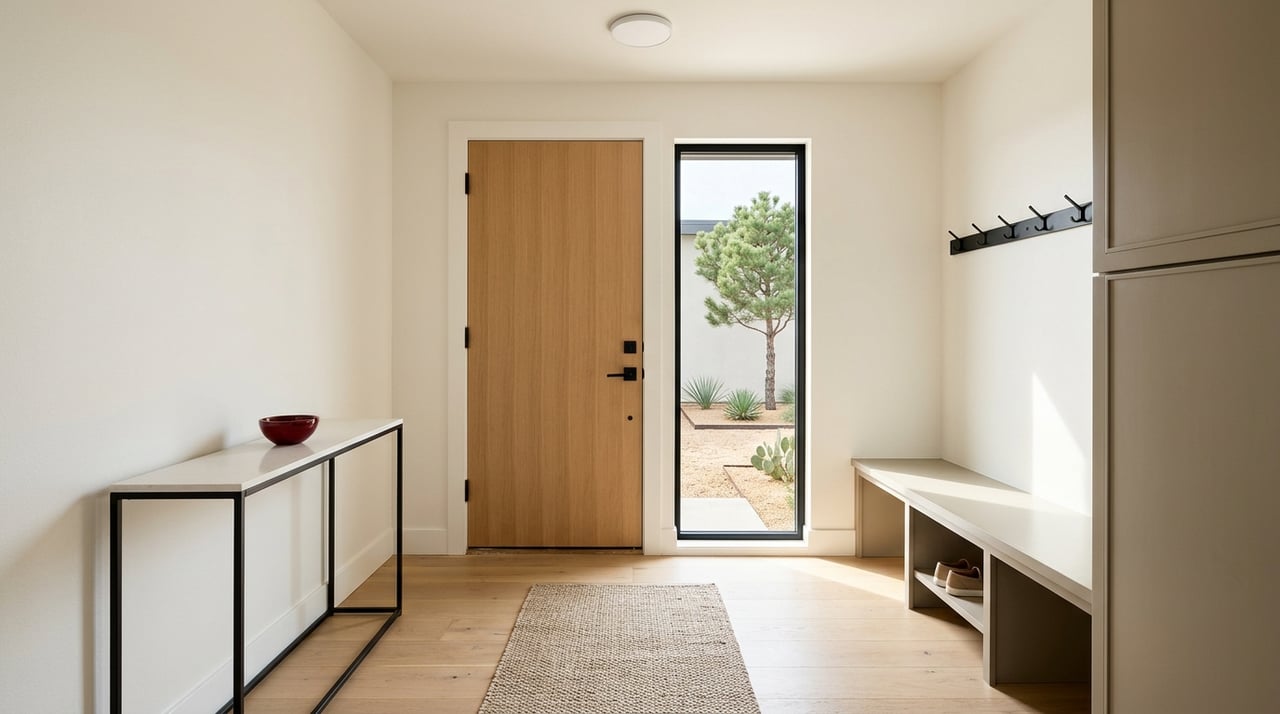
- A tired-looking front door or entry area
These projects are usually lower cost, and they help remove distractions for buyers. When buyers are not mentally adding up small repair items, they can focus on the home itself.
Skip major remodels unless there is a clear reason
A full kitchen or bathroom renovation is rarely the first move for a budget-conscious seller. Unless there is a clear problem, a safety concern, or an issue likely to raise red flags during inspection, large projects can be hard to justify.
In many Clifton sales, a deep clean, fresh paint, and a few smart repairs will go farther than a costly overhaul. The goal is not to create the most customized house on the block. The goal is to present a home that feels well maintained, functional, and easy to say yes to.
Decluttering usually beats decorating
One of the most cost-effective ways to prepare your home is also one of the simplest. Remove excess items, open up the rooms, and make the space easier for buyers to picture as their own.
The National Association of REALTORS defines staging as presenting a property to highlight its strengths and help buyers envision living there. That process centers more on decluttering and styling than remodeling. In its 2025 staging report, 83% of buyers’ agents said staging makes it easier for buyers to visualize the home, 29% reported a 1% to 10% increase in value from staging, and 49% observed faster sales.
Put your effort into the rooms that matter most
Buyers tend to focus most on a few key spaces. The same staging report found that buyers care most about the:
- Living room
- Primary bedroom
- Kitchen
That gives you a practical roadmap. If your budget or time is limited, make those rooms feel bright, clean, and open first.
Low-cost staging moves that help
You do not need to fully redesign your home to make it show better. Start here:
- Pack away personal photos and highly specific decor
- Remove extra furniture that makes rooms feel tight
- Clear kitchen and bathroom counters
- Organize closets so they look more spacious
- Deep clean floors, baseboards, windows, and surfaces
- Use simple bedding and neutral towels
- Make sure each room has a clear purpose
Buyers’ agents also reported that listing photos matter a great deal, with 73% pointing to photos as an important factor, followed by physical staging, videos, and virtual tours. That is a big reason clean, open, photo-ready spaces matter so much. A well-prepared home often starts working for you before a buyer ever walks through the door.
Spend where buyers will notice it
When you are trying to stay on budget, every dollar needs a job. The strongest pre-listing expenses are usually the ones that improve first impressions, reduce objections, or support a smoother transaction.
A useful way to think about spending is to ask one question: will this help the home look better, function better, or feel more trustworthy to a buyer? If the answer is no, it may not belong on your prep list.
Smart places to invest
In many Clifton homes, the best value comes from:
- Interior paint in worn or overly personalized rooms
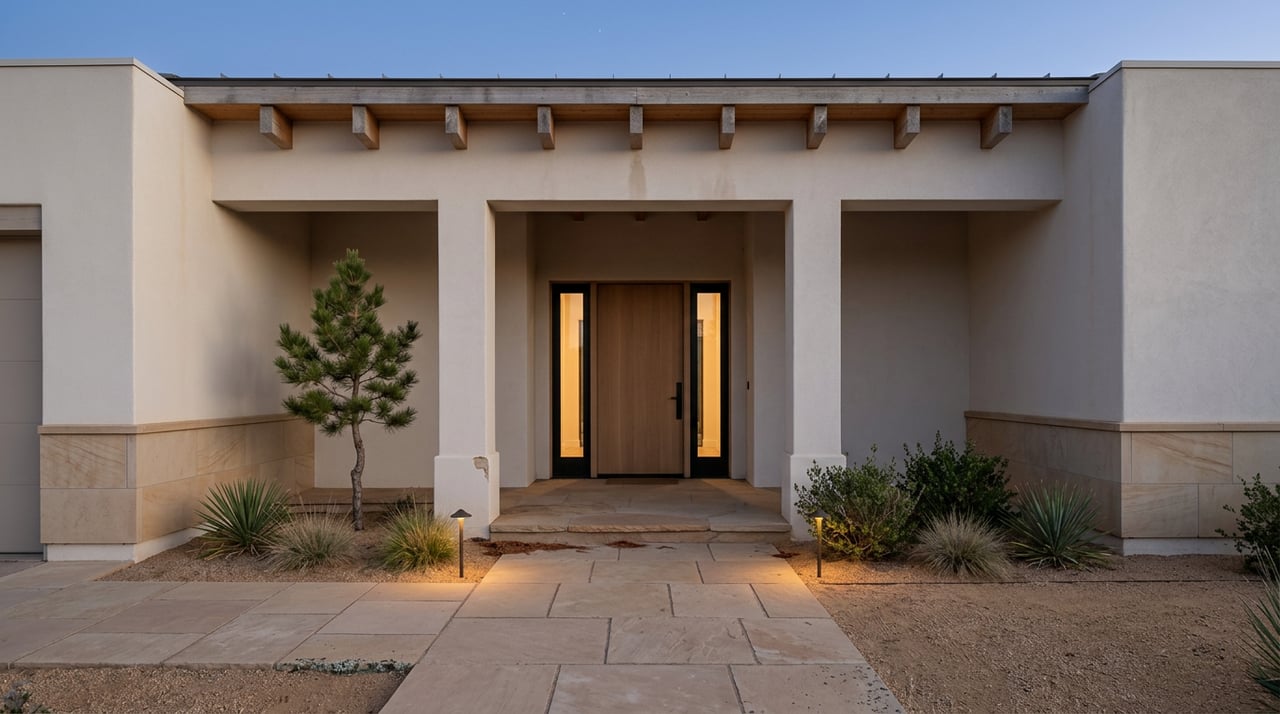
- Entry curb appeal, including the front door
- Small deferred maintenance items
- Deep cleaning
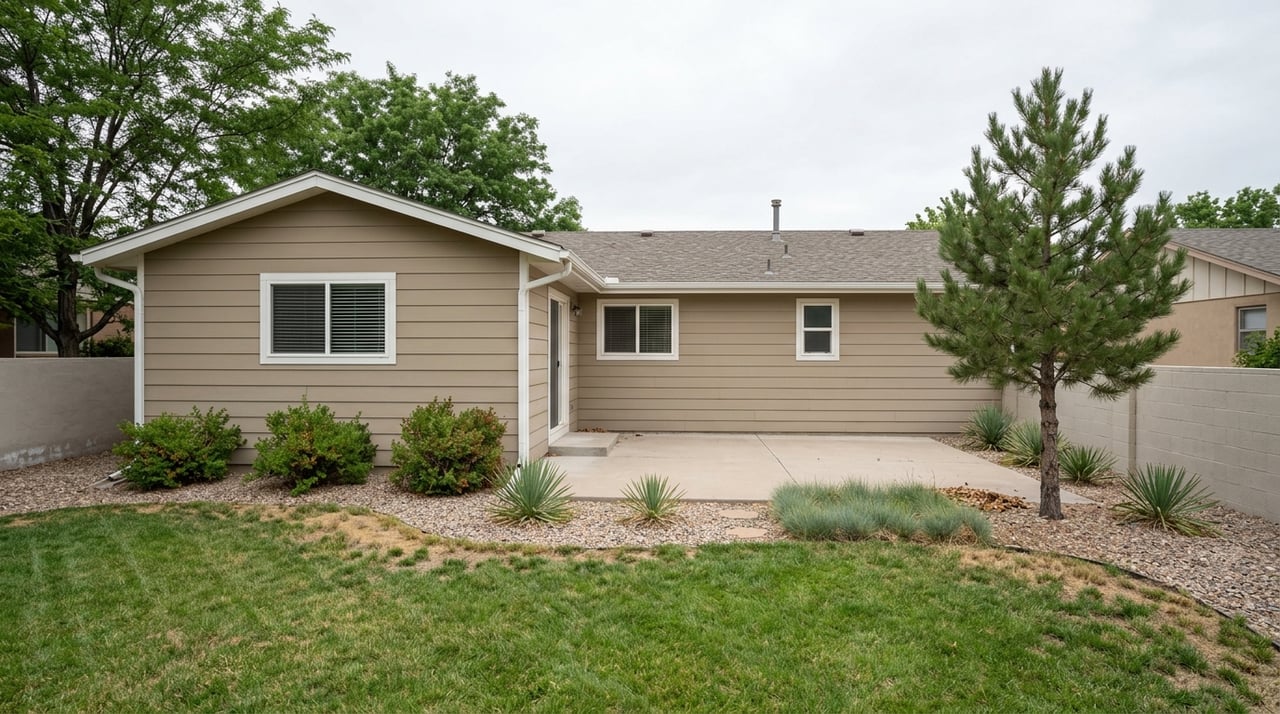
- Basic yard cleanup
- Light staging or agent-guided decluttering
Places to be cautious
You may want to think twice before spending heavily on:
- Full room remodels with no obvious issue
- High-end finishes that may not match the price point
- Trend-driven design choices
- Large projects started too close to listing
Overspending usually happens when sellers try to do everything at once. A more strategic approach is to handle the visible issues first, stop the money leaks, and launch with a polished presentation.
Keep repairs and disclosures organized
Preparing your home is not only about appearance. It is also about process. Colorado’s Seller’s Property Disclosure form requires sellers to disclose based on current actual knowledge and to promptly update the buyer if new adverse material facts are discovered.
That means it is wise to keep records of the repairs you complete before listing. Save invoices, make a simple list of work done, and note anything that remains unresolved. Transparency helps build buyer confidence and can reduce avoidable friction once you are under contract.
What to have ready
Before your home goes live, it helps to gather:
- A list of recent repairs or maintenance
- Contractor invoices or receipts if available
- Notes on any known issues that still exist
- Basic timeline details if you need flexibility for your next move
This kind of preparation supports a cleaner listing process. It also helps you avoid rushed decisions later.
Plan your sale and move together
If you are selling your Clifton home and buying another property at the same time, timing matters just as much as prep. Colorado’s Division of Real Estate notes that contract contingency clauses can cover a buyer’s need to sell an existing property before buying a new one, and possession can be negotiated before or after closing by agreement. The same guidance emphasizes that deadlines are strict.
For that reason, your prep calendar, listing date, inspection window, and move-out plan should work together. When these pieces are planned early, you are less likely to overspend on rushed repairs or end up with a closing timeline that does not fit your next purchase.
A practical prep timeline
A steady, budget-conscious approach often looks like this:
- Walk through the home and identify visible issues.
- Complete small repairs and touch-up work.
- Declutter and pack nonessential items.
- Deep clean before photos.
- Gather disclosure information and repair records.
- Discuss timing needs before listing goes live.
This approach keeps you focused on what matters most. It also supports better marketing from day one.
The goal is confidence, not perfection
You do not need a perfect house to sell successfully in Clifton. You need a home that feels cared for, shows clearly, and enters the market with a smart plan behind it.
That is where disciplined preparation can protect your budget and your equity. By focusing on visible condition, decluttering the right rooms, documenting repairs, and coordinating your timeline, you can make strong buyer impressions without overspending.
If you want a strategic plan for what to fix, what to skip, and how to time your sale in Clifton, connect with The Agency Grand Junction. Their team brings local market insight, high-touch service, and a process-driven approach to help you prepare confidently.
FAQs
What are the best low-cost ways to prepare a Clifton home for sale?
- Focus on deep cleaning, decluttering, touch-up paint, small repairs, and improving the front entry so buyers notice care instead of deferred maintenance.
Should you remodel a kitchen before selling a home in Clifton?
- Usually, a full kitchen remodel is not the most budget-friendly move unless there is an obvious condition issue or something likely to create concern during inspection.
Does staging help homes sell faster in Clifton?
- Staging and decluttering can help buyers visualize the home more easily, and the 2025 staging data reported that many agents saw faster sales and, in some cases, higher value.
Which rooms matter most when preparing a Clifton home for listing photos?
- The living room, primary bedroom, and kitchen are often the most important rooms to prepare because buyers tend to focus on those spaces most.
What should Clifton sellers keep for Colorado disclosure paperwork?
- Keep a clear list of repairs, invoices or receipts when available, and notes about any known unresolved issues so you are prepared to disclose based on your current actual knowledge.
How can you coordinate selling your Clifton home and buying another one?
- Plan your repairs, listing date, disclosure prep, closing timeline, and possession needs together early, since Colorado real estate deadlines are strict and timing can be negotiated by agreement.