
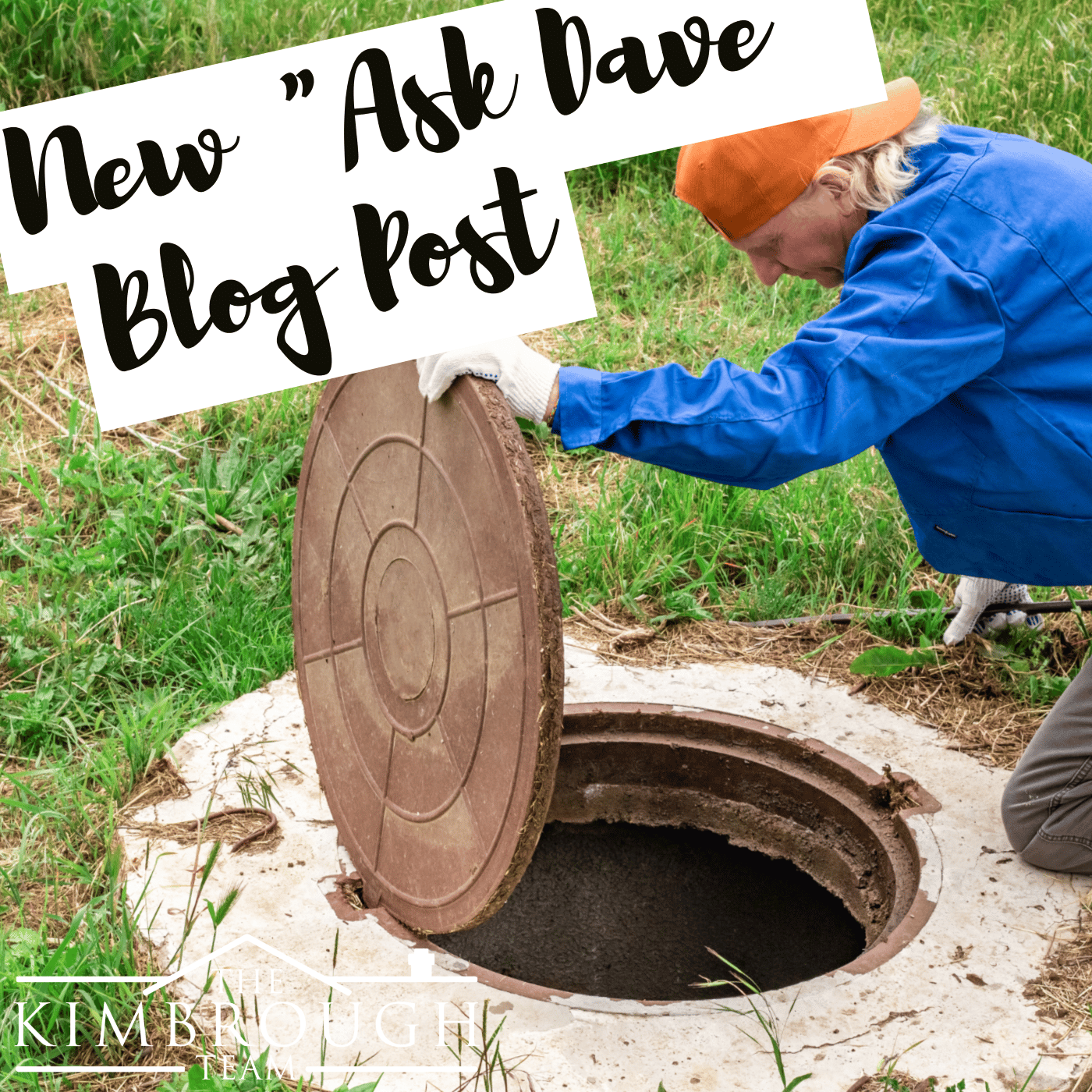
Dear Dave,
We’ve looked at a few houses with septic systems—which we’ve learned are actually pretty common here—and, to be honest, those houses have dropped down our list because of it. We’ve heard some horror stories! But what if we find a house we really love that has a septic system? What should we ask the seller or have done before buying to avoid a septic nightmare in the future?
— Mike and Andrea, Grand Junction
Mike and Andrea,
I completely understand your concerns. Septic systems can sound intimidating, but often it’s just a matter of education and understanding how they work and how simple proper maintenance can be. Having a septic system is not, in my opinion, a reason to rule out your dream home or move it down your list—unless there are clear signs the system is failing.
While a sewer connection is generally easier and more “set it and forget it,” I’ve seen septic systems functioning perfectly well for 30–40 years without any issues. The key is to spot signs of trouble early so you don’t get blindsided later.
Here are some common warning signs that a septic system may be failing:
-
Slow drains, gurgling sounds, or backups inside the home. These are often the first signs that something is wrong with the system’s flow or the tank itself.
-
Unpleasant sewage odors inside or outside the home. This smell is unmistakable—more than just a faint whiff, it’s a noticeable, unpleasant stench that you won’t want to ignore.
-
Soggy patches, puddles, or unusually lush lawn areas. These could indicate the drain field isn’t properly absorbing wastewater, which can cause water to pool and damage your landscaping.
If you come across any of these signs when reviewing the seller’s property disclosure or during the home inspection, it’s a red flag to proceed with caution.
Before you buy, ask the seller to provide proof that the septic tank has been pumped and inspected within the last 2-3 years. Regular pumping is critical to keep things running smoothly. You can also request a camera inspection of the main line and leach field pipes to detect any hidden issues.
If these inspections come back clear, then you should feel confident moving forward. A properly functioning septic system, with routine maintenance, should serve you well for many years.
To keep your septic system healthy, here are a few simple but important rules:
- Never flush or pour down the drain: sanitary napkins, tampons, hair, coffee grounds, paper towels, condoms, cigarette butts, chlorine, oils, grease, animal fats, or harsh chemicals.
- Be cautious with garbage disposals. While disposals grind up food waste, not everything should go down the drain. Composting kitchen scraps is a better alternative and easier on your system.
Following these guidelines can help you avoid costly repairs and septic system failures.
In summary, do your homework when it comes to any septic system you consider. Ask for inspection reports, pump records, and be vigilant during your home inspection. There are septic horror stories, sure, but honestly, there are horror stories about just about everything.
With a little care and knowledge, septic systems can be trouble-free and reliable for years to come.
Dave Kimbrough
The Kimbrough Team – RE/MAX 4000
Have a Question? Ask Dave!