If you are dreaming about wide-open space in Glade Park, it helps to know that buying acreage here is not the same as buying a large lot near town. This is a rural mesa community where access, water, septic, and wildfire planning can shape your experience as much as the views and land itself. If you understand those details before you buy, you can make a more confident decision and avoid expensive surprises later. Let’s dive in.
Glade Park Works Differently Than In-Town Living
Glade Park is a large rural planning area in unincorporated Mesa County that covers more than 241,000 acres southwest of Grand Junction. Mesa County describes it as a ranching community with rural residential uses, shaped by a mix of private land, large BLM and USFS areas, and conservation easements.
That matters because acreage here is often a lifestyle and infrastructure decision at the same time. There is no public transit in the area, and everyday services like healthcare are generally tied to Grand Junction-area providers. In simple terms, you should expect more driving, fewer nearby services, and greater reliance on what the property itself can support.
Access Can Be a Deal-Maker
When you buy acreage in Glade Park, the road to the property deserves as much attention as the property lines. Mesa County’s Glade Park plan says the transportation network is entirely vehicular, and only DS Road, S 16 1/2 Road, and Little Park Road are paved in the planning area.
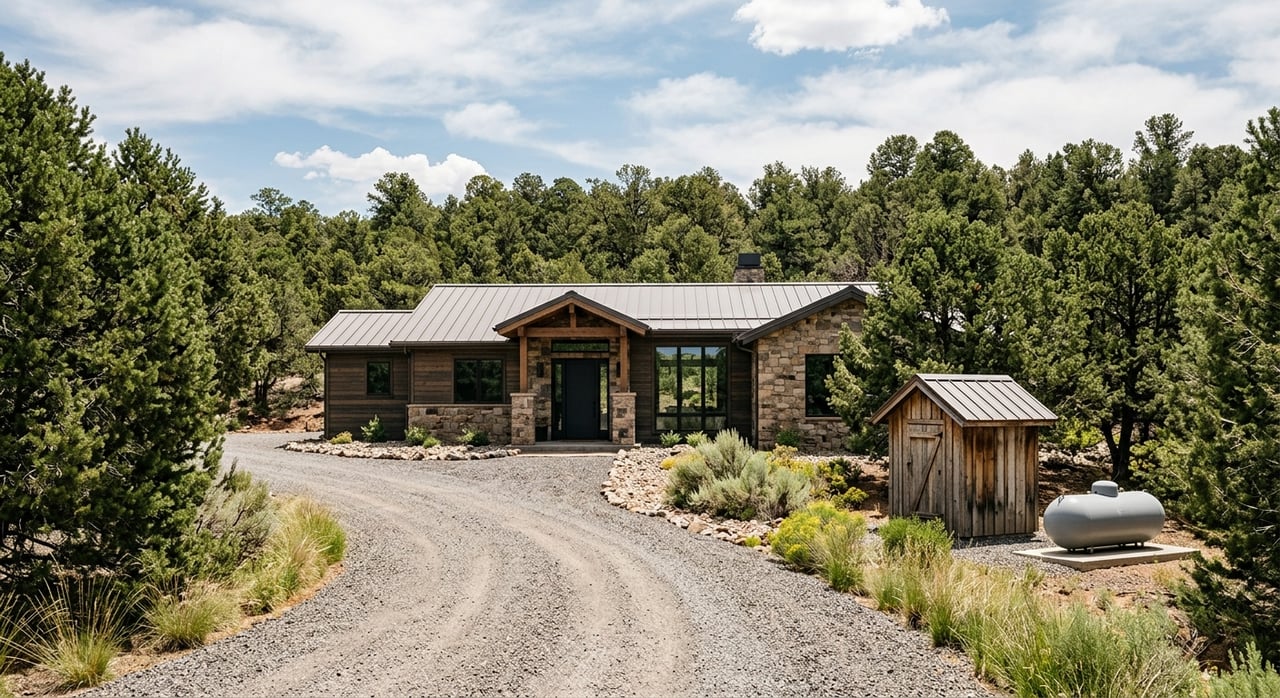
Many other roads are gravel, and private roads or shared driveways are common. The county also notes that about one-third of roads are private, and many are not in dedicated rights-of-way. That means access is not something you want to assume.
Ask Whether the Road Is Public or Private
A private road can work well, but you need to know who owns it, who maintains it, and whether there is a recorded access easement. If access runs across another parcel or through a shared driveway, title and survey review become especially important.
You should also ask how the road performs in bad weather. Mesa County says it does not plow or sand private roads or driveways, and the Glade Park plan adds that some county roads are not maintained in winter, with non-maintenance periods varying by elevation.
Driveways Have Their Own Rules
If you plan to improve access or build new, driveway permits may come into play. Mesa County says a new driveway connection to a county right-of-way requires a driveway permit, and new access to county-maintained roads requires an access permit.
Fire access matters too. Glade Park Fire notes that long driveways must meet standards for width, drainage, turnaround, and signage so fire apparatus can reach the property. On acreage, a driveway is not just a convenience feature. It can directly affect safety, use, and future improvement plans.
Water Is One of the Biggest Questions
Glade Park has no public domestic water service, according to Mesa County. Domestic water in the area comes from wells, springs, and cisterns.
That means water due diligence should go far beyond asking, “Does it have a well?” You want to understand what type of water source serves the parcel, what permits are in place, and whether the setup fits the way you plan to use the property.
Well Permits and Water Quality Matter
Colorado’s private-well guidance says private wells are not regulated under the Safe Drinking Water Act, so the property owner is responsible for water quality. The Colorado Division of Water Resources issues well permits, and review of complete new or replacement well applications may take up to 49 days.
For a buyer, that makes document review essential. You should ask for the well permit, any available water-quality testing, and details on capacity and use. If the parcel does not already have a functioning well, timing and permitting should be part of your purchase planning.
Cisterns and Backup Planning Are Parcel-Specific
Mesa County’s Glade Park plan says cisterns are only allowed on unplatted parcels. That is one example of why rural utility questions are so specific to the exact property.
A workable setup for one parcel may not be allowed or practical on another. If water delivery, storage, or backup systems are part of the property’s function, make sure those details are documented and aligned with your intended use.
Septic Is Not a Small Detail
Mesa County says there is no public sanitary sewer service in Glade Park. Properties must use on-site wastewater treatment systems, commonly called septic or OWTS.
Holding tanks are used only in some seasonal-cabin situations where site constraints prevent an OWTS. So if you are buying land for full-time use, guest use, or future construction, septic feasibility is a major checkpoint.
Review Permits, Records, and Capacity
Mesa County’s Septic Department issues OWTS permits and clearances and reviews land-use applications where an OWTS is proposed. That means permit status and system records are part of the due diligence picture, not an afterthought.
Ask for septic permits, inspection records, and pumping history if there is an existing system. If the property is vacant land, you will want to understand whether the site can support the system you need for your intended build.
Utilities May Be More Limited Than You Expect
The county plan historically identifies electricity from Grand Valley Power, propane from private suppliers, and private waste haulers in the area. It also notes that cell and internet coverage can vary.
For buyers relocating from a more urban or suburban setting, this is a key adjustment. You should verify current utility and service availability for the specific parcel rather than assuming the same level of service you may be used to in town.
Wildfire Planning Should Happen Before Closing
Mesa County’s Community Wildfire Protection Plan identified Glade Park as an area of high fire hazard and risk. The county plan also notes that response times depend on volunteer availability and proximity, and that water availability is limited in parts of the area.
Glade Park Fire states that it is staffed entirely by volunteers and transitioned to a Fire Protection District on January 1, 2026, though funding is delayed one year and the department still relies on donations, grants, and fundraising. For buyers, the takeaway is clear: wildfire risk should be part of the purchase decision from day one.
Focus on the Home Ignition Zone
The Colorado State Forest Service says homeowners in the wildland-urban interface should focus on the home ignition zone. That includes reducing structural ignitability and creating defensible space around structures.
The guidance specifically highlights roofs, vents, gutters, decks, and combustible fencing near the home. These steps can improve the odds of a home surviving wildfire and help firefighters work more safely if conditions allow.
Ask About Access, Water, and Mitigation
Glade Park Fire says it can help assess the home ignition zone along with access and mitigation issues. That makes it a practical local resource if you are evaluating a property before closing.
If you are buying improved acreage, ask what mitigation work has already been done. If you are buying vacant land, think early about driveway design, turnarounds, and water storage as part of the overall property plan.
Zoning and Easements Can Shape What You Can Do
Glade Park sits in unincorporated Mesa County, so zoning and land use rules matter. The current Land Development Code includes rural districts such as AF-35 and AFT, with AF-35 carrying a 35-acre minimum lot size and AFT intended for very low-density rural use.
You should confirm the current zoning and allowed uses for any parcel you are considering. This is especially important if your plans include building, keeping animals, adding structures, or holding land for future use.
Easements Are Common in the Area
Mesa County says more than one-third of the private land area in Glade Park is conserved, and many easements are intended to conserve agricultural and wildlife values. Easements can affect access, use, building areas, and long-term flexibility.
That does not mean a property is a poor fit. It means title work, survey review, and a clear understanding of recorded easements are essential before you move forward.
Drainage and Floodplain Questions Still Matter
On acreage, buyers sometimes focus so heavily on views and usable land that they overlook drainage. Mesa County advises property owners to check with the floodplain administrator before building, filling, altering, or grading land and to obtain required permits where applicable.
Even if a parcel looks dry and open, drainage patterns and floodplain rules can affect where and how improvements happen. It is smart to verify this early if you plan to build, grade, or change the site.
A Practical Due Diligence Checklist
If you want to buy acreage in Glade Park with fewer surprises, keep your review process disciplined. A strong checklist can help you compare parcels more clearly and spot issues before they become deal problems.
Documents to Request
- Current zoning information and allowed uses
- Title commitment and any recorded easements
- Survey or improvement location information, if available
- Well permit and water-quality records
- Septic or OWTS permits, inspections, and pumping records
- Driveway or access permits
- Any wildfire mitigation reports or fire access documentation
Questions to Ask
- Is the road public, private, or shared?
- Who maintains the road and driveway in winter?
- Is access recorded and insurable through title?
- What water source serves the parcel, and what is the permit status?
- What are the septic system details or site constraints?
- What utility providers currently serve the property?
- Are there easements, conservation restrictions, or floodplain concerns?
Why Local Guidance Matters on Glade Park Acreage
Acreage purchases usually involve more moving parts than a typical in-town home purchase. In Glade Park, the details are often highly parcel-specific, especially around access, water, septic, and land use.
That is where a process-driven local team can add real value. When you have clear guidance, the right questions, and the right local contacts early in the process, you can evaluate a property based on facts rather than assumptions.
If you are considering acreage in Glade Park, The Agency Grand Junction can help you approach the process with a strategic plan, strong local insight, and the white-glove guidance that matters when the details really count.
FAQs
What makes buying acreage in Glade Park different from buying in Grand Junction?
- Glade Park is a rural mesa community with no public transit, no public domestic water service, and no public sanitary sewer service, so you will usually rely more on the property’s own access, water, septic, and utility setup.
What road issues should buyers check before buying acreage in Glade Park?
- You should confirm whether the road is public or private, who maintains it, whether legal access is recorded, and how the road and driveway are handled in winter since Mesa County does not plow or sand private roads or driveways.
What water systems are common for Glade Park acreage properties?
- Mesa County says domestic water in Glade Park comes from wells, springs, and cisterns, and buyers should verify the exact permit status, testing history, and suitability of the water setup for the parcel they want to buy.
What should buyers know about septic systems in Glade Park?
- Because there is no public sewer service in Glade Park, properties use on-site wastewater treatment systems, so buyers should review permits, inspections, pumping records, and whether the site supports the intended use.
How important is wildfire planning when buying acreage in Glade Park?
- Wildfire planning is a core part of due diligence because Mesa County identifies Glade Park as an area of high fire hazard and risk, and property access, defensible space, and home ignition zone conditions can affect safety and future planning.
What zoning details should buyers review for Glade Park land?
- Buyers should verify current Mesa County zoning and allowed uses for the exact parcel, including whether the property is in a rural district such as AF-35 or AFT and how that affects future plans for the land.