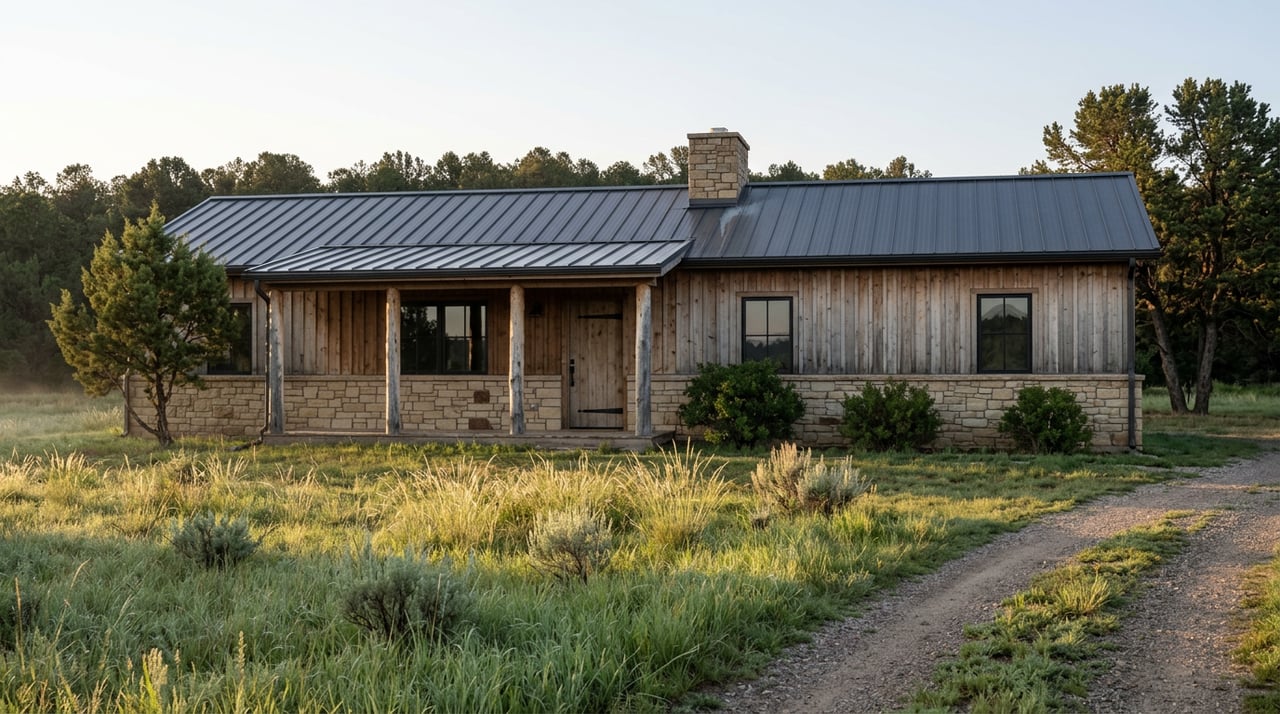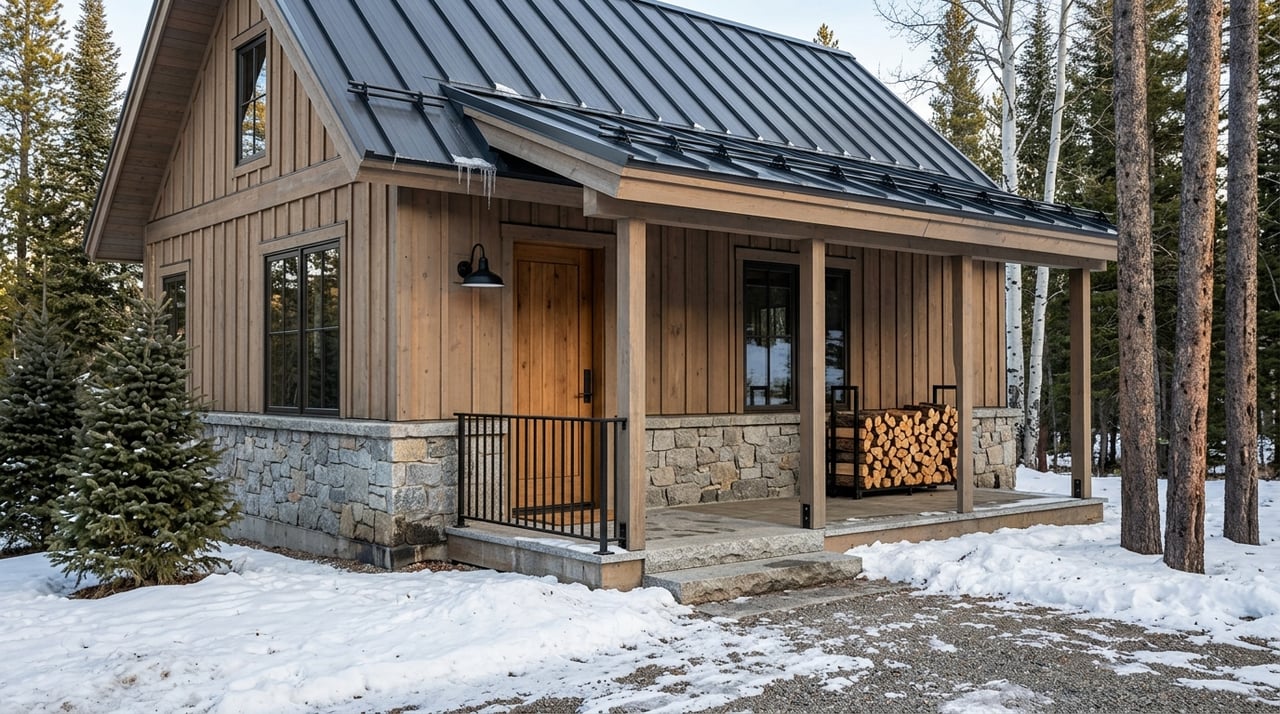
If you have been dreaming about a mountain retreat that feels close to town but worlds away from your daily routine, owning a cabin or second home near Grand Mesa may be worth a closer look. This part of Delta County offers a rare mix of recreation, scenery, and rural property options, but it also comes with practical ownership details you need to understand before you buy. In this guide, you will learn what makes the area appealing, what types of properties you may find, and which due diligence items matter most. Let’s dive in.
Why Grand Mesa Draws Second-Home Buyers
Grand Mesa stands out as one of the Western Slope’s most recreation-focused destinations. According to the U.S. Forest Service recreation overview, it is the largest flat-top mountain in the world and offers hiking, mountain biking, boating, fishing, scenic drives, cross-country skiing, snowshoeing, and snowmobiling.
That variety matters when you are buying a second home. Instead of owning a place you only use for one season, you may have access to a property that fits both summer weekends and winter getaways.
The area also feels accessible from the south side of the Mesa. The Town of Cedaredge notes that the top of Grand Mesa is about 20 minutes away, which helps explain why Cedaredge is often a key reference point for buyers looking in this area.
What the Lifestyle Looks Like
One of the biggest reasons buyers consider this area is simple: there is a lot to do without needing to travel far once you arrive. The Forest Service highlights more than 300 stream-fed lakes with trout, along with lake and stream fishing, boating, and trail-based recreation across the Mesa.
Winter use is also a real part of the ownership picture. The Colorado Scenic and Historic Byways page for Grand Mesa says the route climbs to roughly 11,000 feet, so snow is not an occasional event at higher elevations. It is part of the setting.
For buyers who want more than quiet cabin weekends, the broader region offers year-round options. Vega State Park supports fishing and cross-country skiing, and Powderhorn Mountain Resort adds downhill skiing with more than 1,600 acres of terrain.
Cabin or Second Home Property Types
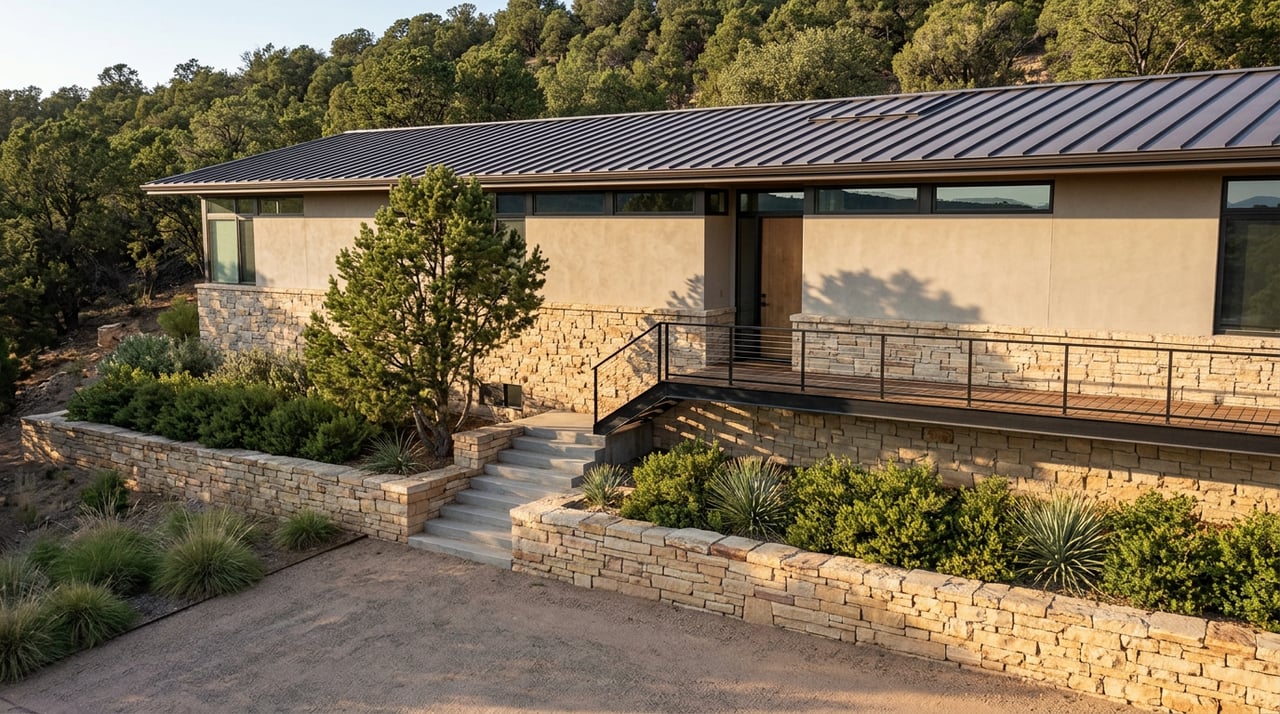
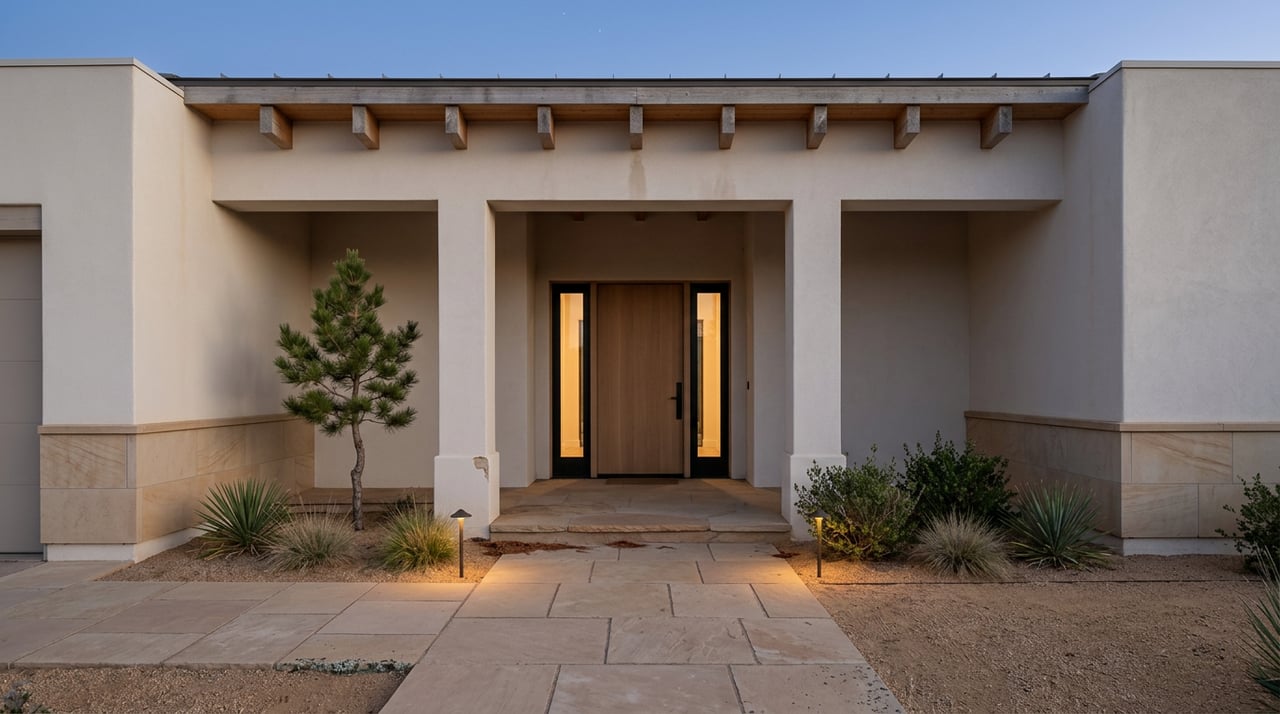
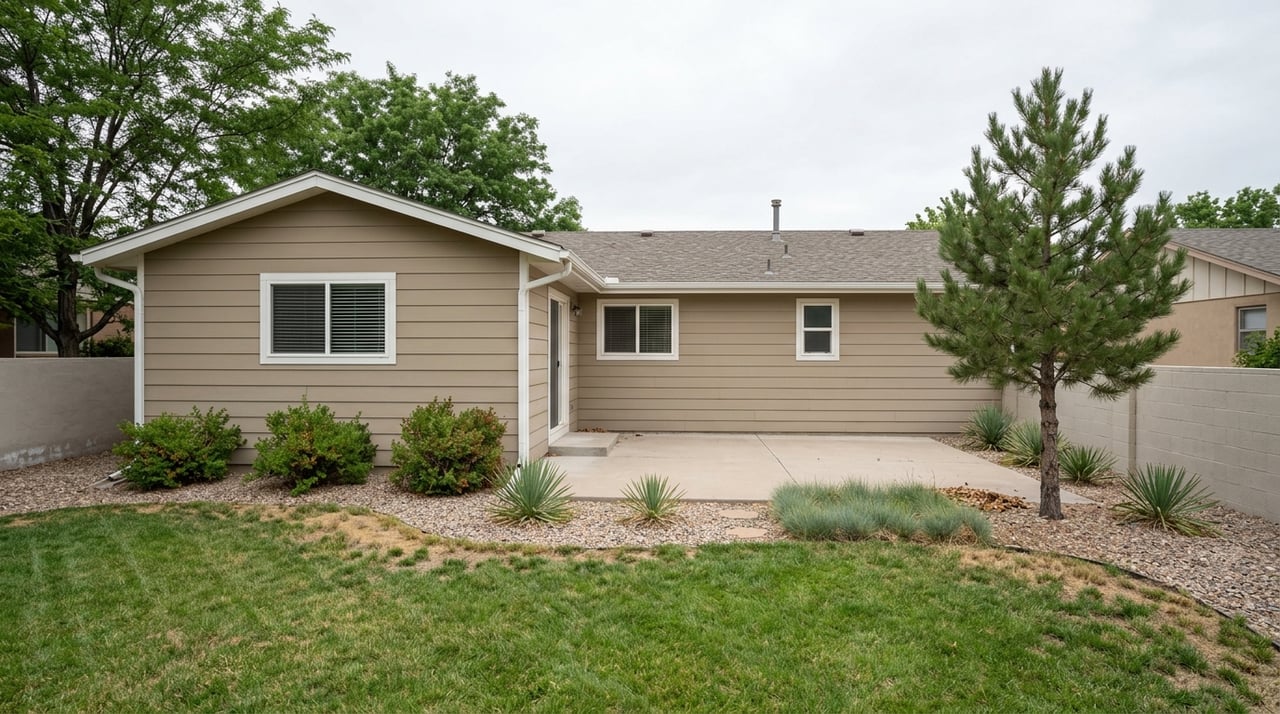
Near Grand Mesa, you are not shopping in a dense resort market with one standard property type. You are more likely to see a mix of in-town homes, large-lot rural properties, and cabin-style residences shaped by land-use rules, access, and utility availability.
Delta County’s land-use code is oriented toward rural residential and agricultural parcels. That includes categories such as A-20 for agricultural rural residential land on generally 20-plus-acre parcels and A-5 for smaller-scale agricultural or large-lot residential use.
That framework can affect what a property feels like in practice. A home near the Mesa may offer more space, more privacy, and a more rural setting than buyers from suburban markets expect.
Can a Cabin Be a Full-Time Home?
In Delta County, the answer can be yes, but only if the property meets the right standards. The county’s frequently asked questions explain that a dwelling unit can be a house, cabin, mobile home, or RV when it is connected to permanent water, wastewater, and electricity.
That is an important point if you are comparing a seasonal retreat with a property you may want to use more often. A cabin-style home can function as a year-round residence, but you should confirm utility connections, approvals, and current legal status before moving forward.
The same county FAQ also notes that one accessory dwelling unit is generally allowed. If you are thinking long term, that may be worth discussing during your search depending on the property and its approvals.
The Biggest Due Diligence Items
When you buy near Grand Mesa, the floor plan and views are only part of the decision. In many cases, the most important questions involve access, water, wastewater systems, and site conditions.
Check Legal Access Early
Delta County requires right-of-way and access permits for roads and driveways in the county right-of-way. The county also notes that existing access does not automatically mean approved access, that a parcel is generally limited to one access, and that highway access needs an approved CDOT permit before an address is issued.
If a property uses a private road or easement, you will want proof of authorization. This is one of the most important early questions for mountain and rural properties.
Verify Water and Septic
The county’s water and wastewater requirements are another major checkpoint. For new development, Delta County requires proof of adequate water supply and septic or OWTS review.
The county also states that a septic system is required for every structure with a restroom or sewer drain. It further says cisterns or hauled water are not acceptable as a new domestic water supply, which is a detail many out-of-area buyers may not expect.
Understand Floodplain Review
If a property is in or near a floodplain, review matters. Delta County’s floodplain administration page explains that unincorporated properties go through county review, while homes inside a town such as Cedaredge must work through the local floodplain administrator.
If a floodplain property will use septic, the county also requires Environmental Health approval before the septic system is installed. That can affect both timeline and feasibility.
Plan for Seasonal Ownership
A second home near Grand Mesa can be a great escape, but it works best when you plan for the realities of mountain conditions. Because the byway rises to around 11,000 feet and services between Cedaredge and Mesa are limited, winter logistics should be part of your buying decision from day one.
That does not mean ownership is complicated in every case. It does mean you should think through how you will handle access, heating, snow removal, and off-season check-ins if the home will sit vacant at times.
A simple planning list can help:
- Confirm year-round access details
- Ask how snow removal is handled
- Review heating systems and winter utility needs
- Verify water and septic status
- Understand who will monitor the property when you are away
Is This Better for Seasonal or Year-Round Use?
The area supports both. Official recreation resources show that Grand Mesa is active in summer and winter, but actual usability depends on the site, elevation, and access conditions.
For example, the Forest Service describes four-season recreation across the Mesa, while Vega State Park notes that its cabins have winter access but winter campsites are not available. That is a useful reminder that year-round recreation does not always mean every property or facility functions the same way in every season.
If you want a true all-season second home, focus on the details that support regular use rather than assuming every cabin setting will work equally well in January and July.
Why Local Guidance Matters
Buying a second home in a rural or mountain-influenced market is different from buying in a typical subdivision. The questions are more property-specific, and the answers often involve county rules, access documents, utility verification, and practical ownership planning.
That is where a local, process-driven approach matters. You want clear guidance on the property itself, not just the listing photos.
If you are considering a cabin or second home near Grand Mesa, The Agency Grand Junction can help you evaluate the details that shape long-term value and day-to-day usability, from access and acreage questions to the realities of seasonal ownership.
FAQs
What makes Grand Mesa appealing for a second home?
- Grand Mesa offers four-season recreation that includes hiking, boating, fishing, biking, cross-country skiing, snowshoeing, snowmobiling, and access to downhill skiing in the broader area.
Can a cabin in Delta County be used as a full-time home?
- Yes, a cabin can qualify as a dwelling unit in Delta County if it is connected to permanent water, wastewater, and electricity and meets applicable permitting requirements.
What should you verify before buying a cabin near Grand Mesa?
- You should closely review legal access, water supply, septic or OWTS status, floodplain conditions, and how the property functions during winter.
Is Cedaredge a common base for Grand Mesa cabin buyers?
- Yes, Cedaredge is a key south-side reference point because the town states the top of Grand Mesa is about 20 minutes away.
Is a second home near Grand Mesa only useful in summer?
- No, official recreation sources show that the area supports both summer and winter use, although access and property conditions can vary by location and season.