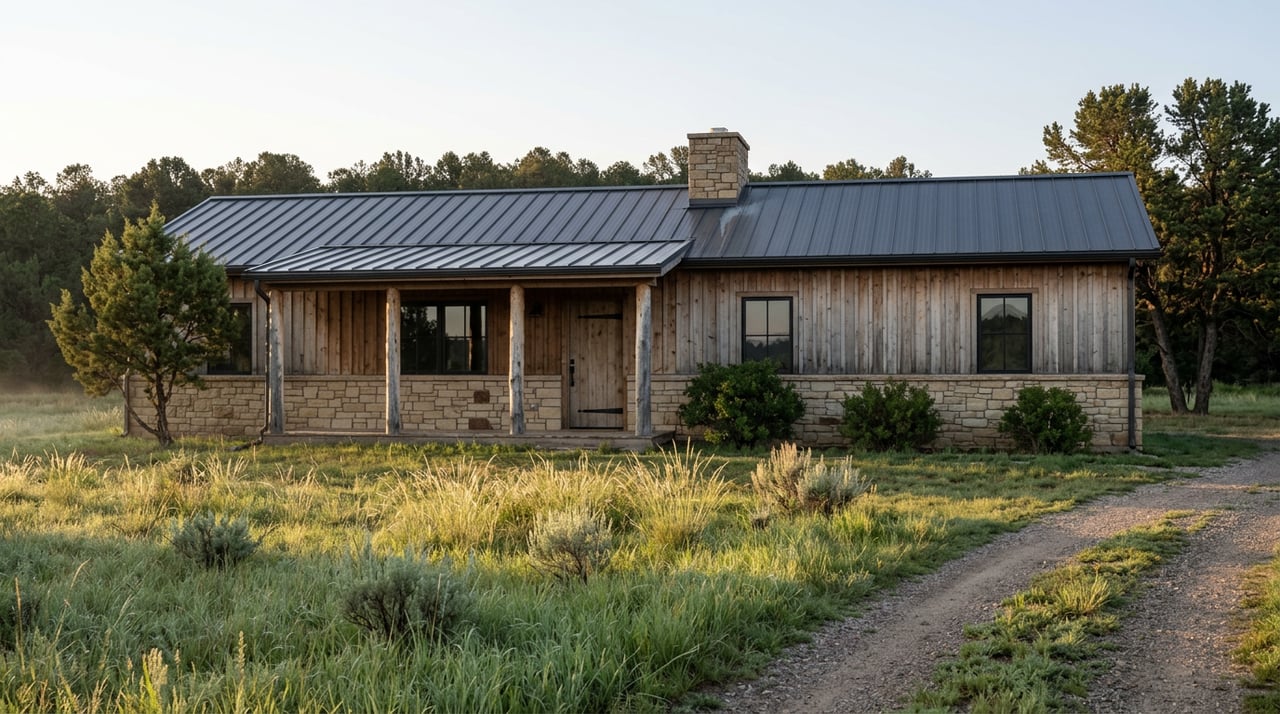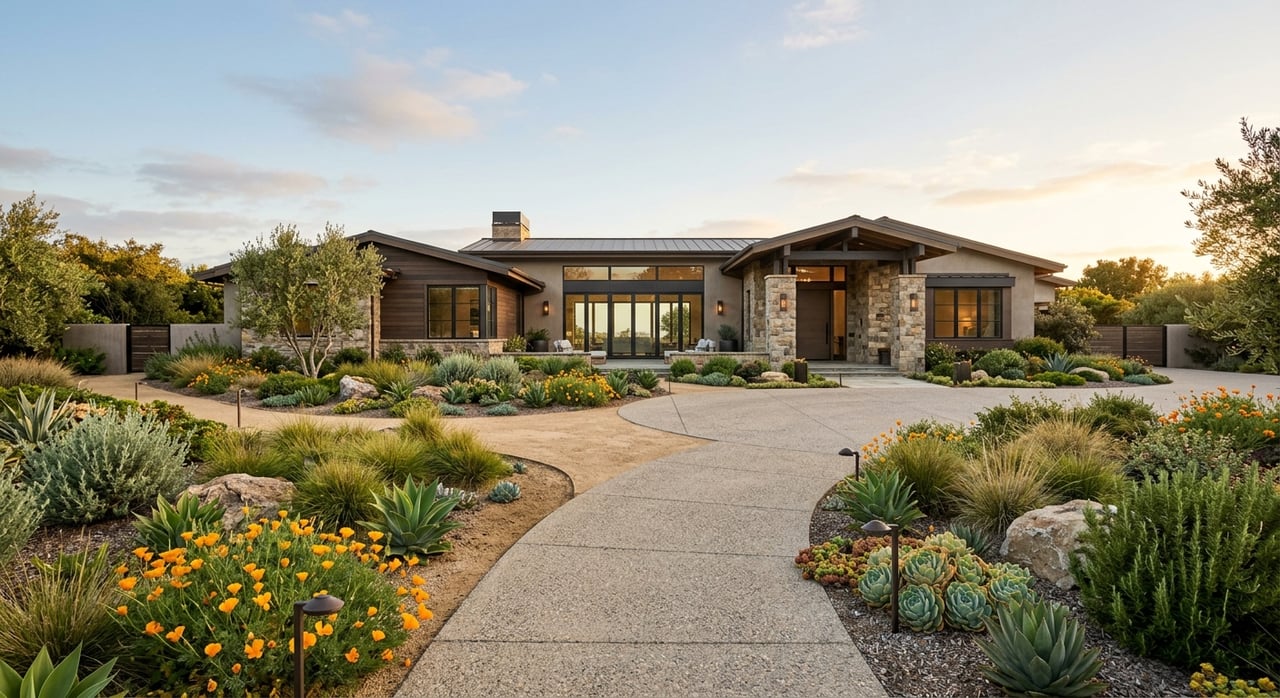
If you are thinking about moving up in Grand Junction, Redlands probably keeps coming up for a reason. It offers more space, more scenery, and easier access to some of the Western Slope’s best outdoor recreation, but it also asks you to look more closely at each specific property. This guide will help you decide whether Redlands fits your next chapter, what tradeoffs to expect, and what to review before you make a move. Let’s dive in.
Why Redlands stands out
Redlands is not one uniform subdivision. It is a broader scenic area within the Grand Junction planning area, generally located south and west of the Colorado River, with historical planning context tied to Highway 340 and Fruita on the northwest, Colorado National Monument on the south, and the Gunnison River on the east, according to the Redlands area planning documents.
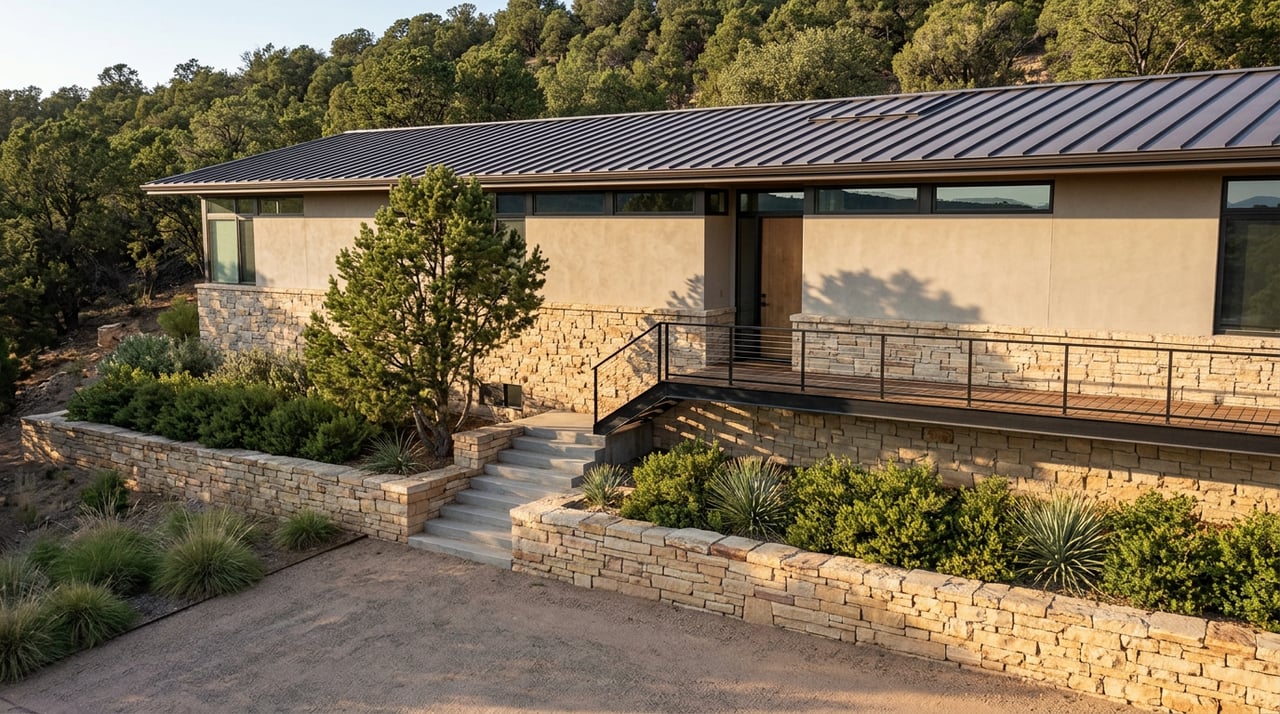
That matters if you are searching for a move-up home. Instead of a one-size-fits-all neighborhood feel, you will find a more varied landscape shaped by topography, views, and lot configuration. In practical terms, you are often choosing both a home and a setting.
The area is especially known for its red rock backdrop and scenic identity. Local planning documents also highlight ridgeline corridors along Monument Road, South Camp Road, and South Broadway, where visibility and slope stability are important considerations, which helps explain why Redlands feels different from flatter, more uniform neighborhoods elsewhere in the valley.
Who Redlands fits best
Redlands tends to make the most sense for move-up buyers who want more room to spread out. If your current home feels tight on space, storage, privacy, or outdoor access, this area may line up with your goals.
It is also a strong fit if your lifestyle centers on views, trails, and a quieter residential setting. The tradeoff is that Redlands is generally less about a dense, walkable retail core and more about low-density living with a strong connection to the landscape.
If you want a neighborhood with highly consistent lot sizes, home styles, and monthly costs, Redlands may require more flexibility. Because the area includes older established pockets and evolving development, your experience can vary a lot from one street or subdivision to the next.
What housing looks like in Redlands
Historically, detached single-family homes have defined the housing mix. The Redlands neighborhood plan found that multifamily housing made up less than 10% of the 2001 housing stock, with 461 units out of 5,209 total homes, based on the Mesa County planning report.
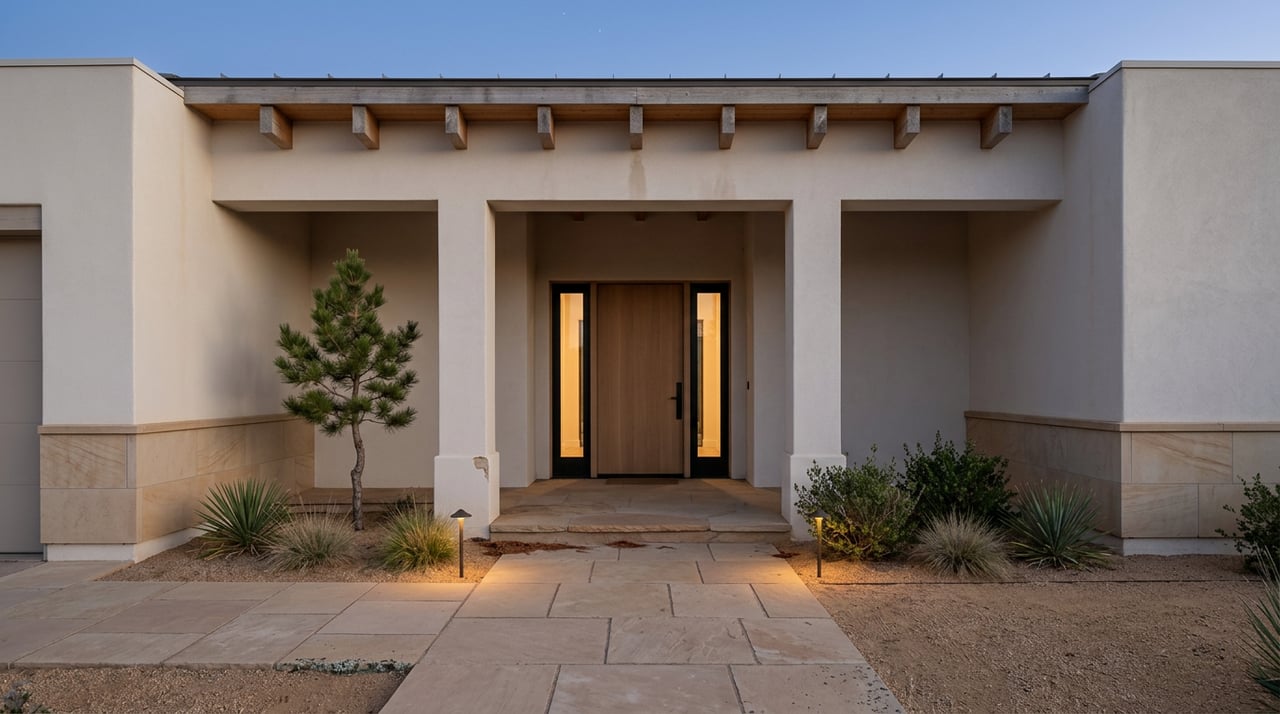
That single-family pattern still helps shape buyer expectations today. Many move-up buyers consider Redlands because they want a home that feels less compressed, whether that means a larger lot, more separation from neighbors, or a more custom layout.
Lot patterns also vary more than many buyers expect. Historic planning ranges included Residential Low parcels of 0.5 to 2 acres, Estate lots of 2 to 5 acres, and medium-low density areas around 2 to 3.9 units per acre, which shows that Redlands includes both neighborhood-style living and larger homesites.
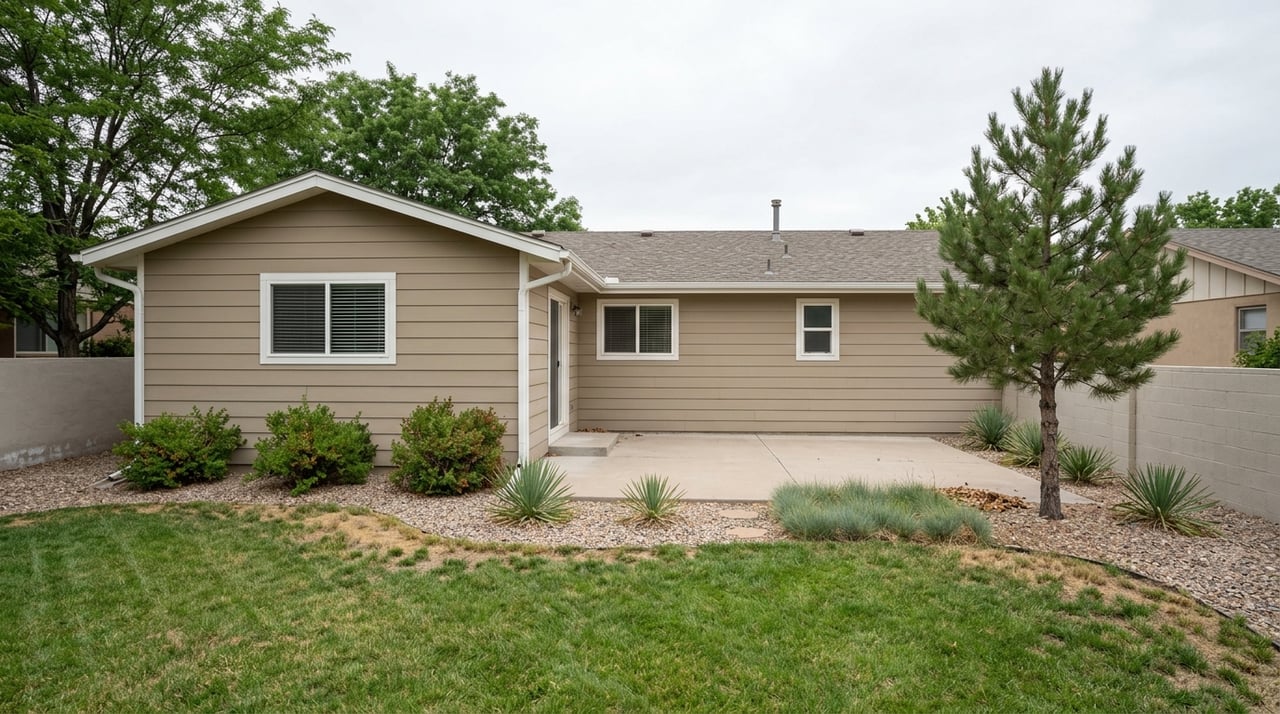
Because of that variety, two homes with similar square footage may live very differently. One might offer broad usable yard space, while another may have more slope, drainage features, or constraints that affect how the lot functions day to day.
Why lot details matter more here
In Redlands, raw acreage does not always tell the full story. Some conservation-designated parcels are connected to floodplain, steep slopes, wetlands, or drainage issues, so the actual building envelope, yard usability, and access can matter more than the lot size on paper.
That is especially important for move-up buyers who are paying for space. If you want room for outdoor living, extra parking, or flexibility around the home, you need to look beyond the listing headline and review how the site actually works.
The area’s planning history also favored lower-intensity and planned developments in parts of the corridor, which helps explain why many sections feel more custom and terrain-driven than a typical suburban grid. For buyers, that can be a real advantage, but it also makes side-by-side property comparisons more important.
Outdoor access is a major draw
One of Redlands’ biggest strengths is recreation. Colorado National Monument brings red rock canyons, dramatic views, and Rim Rock Drive within easy reach, while the Lunch Loops trail system is widely recognized as a go-to area for mountain biking, hiking, and trail running with broad Grand Valley views.
The area also connects into a broader regional trail network. According to Mesa County’s Riverfront Trail information, the trail system creates a near-contiguous route along the Colorado and Gunnison Rivers between Fruita, Grand Junction, and Palisade, with another missing segment expected to move through design and construction in 2025 and completion anticipated in 2026.
For buyers who want everyday recreation close to home, Connected Lakes adds another layer of appeal. The park includes paved trails, biking, boating, fishing, picnicking, wildlife viewing, and nearly four miles of trails.
If your idea of a move-up lifestyle includes stepping outside for a ride, run, or scenic walk, Redlands has a compelling case. This is one of the clearest reasons buyers are drawn to the area.
Utilities and infrastructure to verify
Redlands can offer a premium lifestyle, but you should expect more parcel-level due diligence. Utility setup can vary, and that can directly affect both convenience and monthly carrying cost.
The City of Grand Junction Utilities Department notes that it maintains irrigation for the Ridges development area and Redlands Mesa Golf Course, and that the Persigo wastewater plant serves properties within the 201 sewer district boundary. The city also states that residents within 400 feet of existing public sewer must connect unless a septic waiver applies.
For you as a buyer, that means it is smart to confirm whether a home is on sewer or septic, whether irrigation applies, and what maintenance or service obligations come with the property. These are not minor details in a move-up purchase, especially if you are comparing Redlands against a more standardized neighborhood elsewhere.
Watch the full monthly cost
Purchase price is only part of the equation in Redlands. Some newer pockets may include metropolitan district assessments, because current city filings show that Redlands 360 continues to evolve and that its metropolitan district exists to finance, construct, and support infrastructure and amenities, according to the City of Grand Junction archive materials.
That is why your move-up math should include more than principal and interest. You may also need to compare property taxes, insurance, irrigation or utility charges, sewer or septic obligations, HOA fees if applicable, and any district assessments tied to the subdivision.
For many sellers moving up from another part of Grand Junction, this is where the decision becomes clearer. A home may be the right lifestyle fit, but the full monthly carrying cost needs to feel comfortable too.
Tradeoffs to think through
Every neighborhood has tradeoffs, and Redlands is no different. The main difference here is that many of the tradeoffs are property-specific rather than neighborhood-wide.
The City of Grand Junction’s comprehensive planning materials note that wildfire risk is highest near the Redlands and Monument interface, and that some Redlands areas have the city’s lowest broadband coverage because of topographical constraints, as outlined in the city’s comprehensive plan documents. Depending on the parcel, you may also need to think about slope, drainage, access, and insurance implications.
That does not mean Redlands is risky across the board. It means that due diligence matters more, especially if you are buying for long-term comfort and resale value.
Questions to ask before moving up
If Redlands is on your short list, use a simple framework to compare homes:
- How much of the lot is truly usable?
- Are you paying for views, extra land, or both?
- Is the property on sewer or septic?
- Are there irrigation obligations or related costs?
- Is there an HOA or metropolitan district assessment?
- How does the location affect wildfire exposure or broadband access?
- Does the property support the lifestyle change you want now and five years from now?
These questions can help you separate a beautiful listing from a smart long-term move. In Redlands, that distinction matters.
Is Redlands the right move-up neighborhood?
Redlands is strongest for buyers who are prioritizing space, scenery, and trail access. If you want a home that feels more connected to the landscape and you are comfortable evaluating property details carefully, it can be one of the most compelling move-up areas in the Grand Valley.
It may be less ideal if you want a highly uniform subdivision, a dense urban feel, or a simpler apples-to-apples home search. The area rewards buyers who are clear on their goals and willing to look closely at lot features, utility setup, and monthly costs.
If you are weighing whether Redlands is the right next step, working with a local team that understands both the lifestyle appeal and the property-level details can make the process much clearer. If you want strategic guidance on timing, neighborhood fit, or selling your current home before you move up, connect with The Agency Grand Junction for a tailored plan.
FAQs
Is Redlands in Grand Junction a good move-up neighborhood?
- Redlands can be a strong move-up choice if you want more space, scenic surroundings, and close access to trails and outdoor recreation, and you are comfortable doing careful property-level due diligence.
What types of homes are common in Redlands?
- Redlands has historically been dominated by detached single-family homes, with a range of lot sizes that can include neighborhood-scale parcels as well as larger estate-style homesites.
What should buyers verify before buying a home in Redlands?
- You should confirm lot usability, slope and drainage conditions, sewer or septic service, irrigation details, possible HOA or metropolitan district costs, and any parcel-specific concerns tied to access, broadband, or wildfire exposure.
Does Redlands have good trail and outdoor access?
- Yes, Redlands is closely connected to outdoor amenities including Colorado National Monument, Lunch Loops, regional trail connections, and Connected Lakes.
Are monthly costs in Redlands higher than expected?
- They can be, depending on the property, because carrying costs may include more than the mortgage and taxes, such as insurance, irrigation charges, septic or sewer obligations, HOA dues, or metropolitan district assessments.