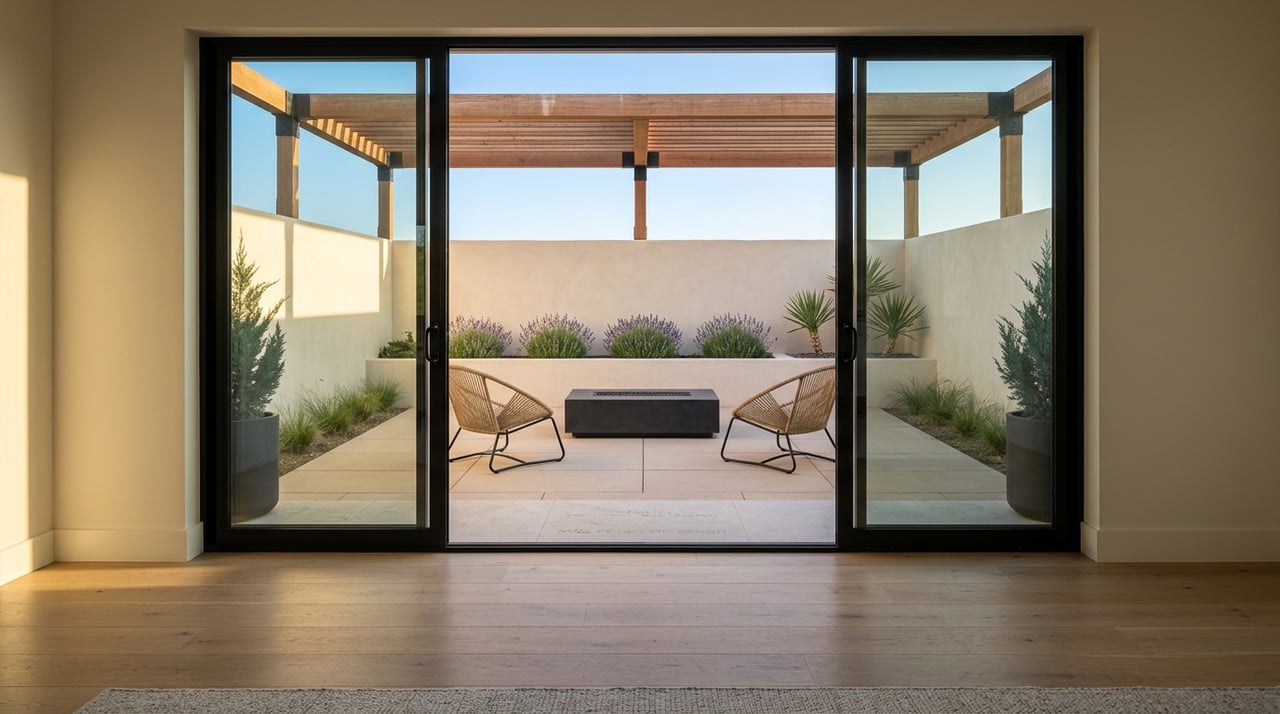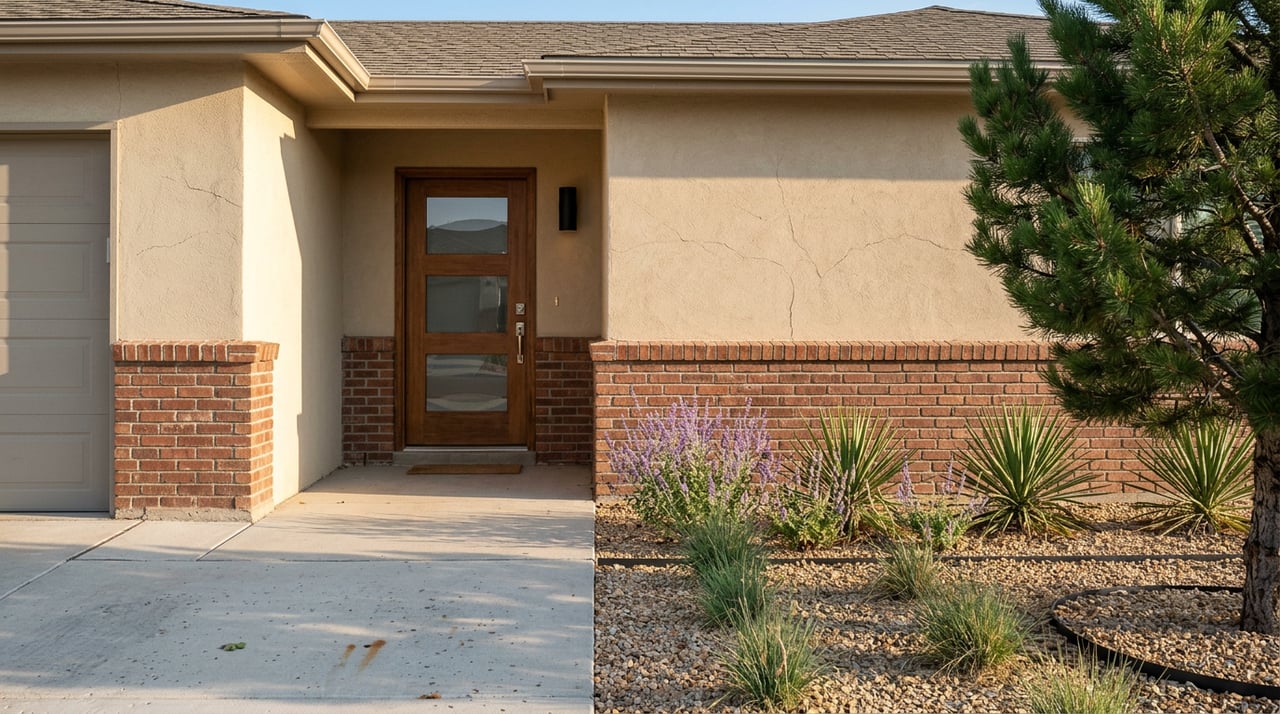
Is a brand-new build or a lived-in resale the smarter move in Fruita right now? It depends on your timeline, budget, and how much maintenance you want in the first few years. You’re weighing energy efficiency, warranties, and amenities against faster move-in and potential savings. In this guide, you’ll see where prices sit today, what local builders include, what to expect from HOAs, and how to compare true costs in Fruita.
Let’s dive in.
Fruita market snapshot
Fruita’s mid-market sits in the high 400Ks, with a recent local report showing a median sale price near $469,800 as of early 2025. You can review the city’s housing materials for context in the Fruita Housing Needs Assessment. Countywide, broader reporting places Mesa County values in the low to mid 400Ks, which means Fruita typically trends at or above county medians. See the Grand Junction Area Chamber’s economic snapshots for regional context.
On the supply side, Fruita has an active pipeline of new subdivisions. City updates list filings like Iron Wheel Filings 3 and 4, Window Rock Filing 1, and the Whitecap Fruita Subdivision, signaling meaningful near-term lot delivery inside city limits. You can track weekly activity in the City of Fruita’s Weekly Information Update. The city is also advancing a larger riverfront area known as “The Launch,” a 40-acre mixed-use site expected to add residential and commercial options over time.
Bottom line: buyers here have options across new planned neighborhoods, established streets in town, and estate-lot products outside city limits.
New construction: what to expect
Where you can buy new now
Local builders are active in Fruita. Copper Creek Builders, for example, is selling in its Korima community with price points that have been advertised starting around the upper 400Ks. The neighborhood promotes parks, trails, a pond, and front-yard landscaping on many plans. Explore current offerings and standard features on the Copper Creek Builders site. Across the Grand Valley, the Home Builders Association showcases a range of floor plans and finishes during the Parade of Homes, which reflects the mix of production and custom talent in the region. See coverage of recent participants in the Business Times roundup.
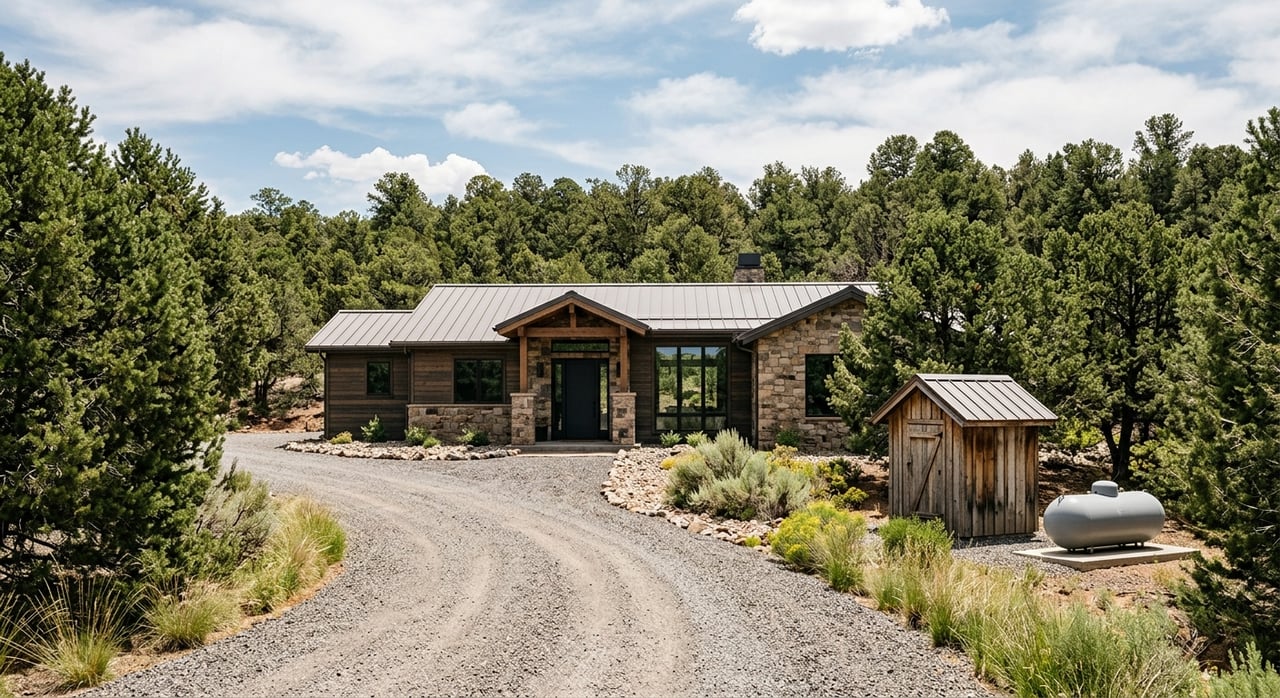
You will also find small-home planned unit developments around Fruita and estate-lot opportunities of one acre or more just outside town. Estate lots often fall under county jurisdiction and may require septic, so utility due diligence is essential.
What’s typically included
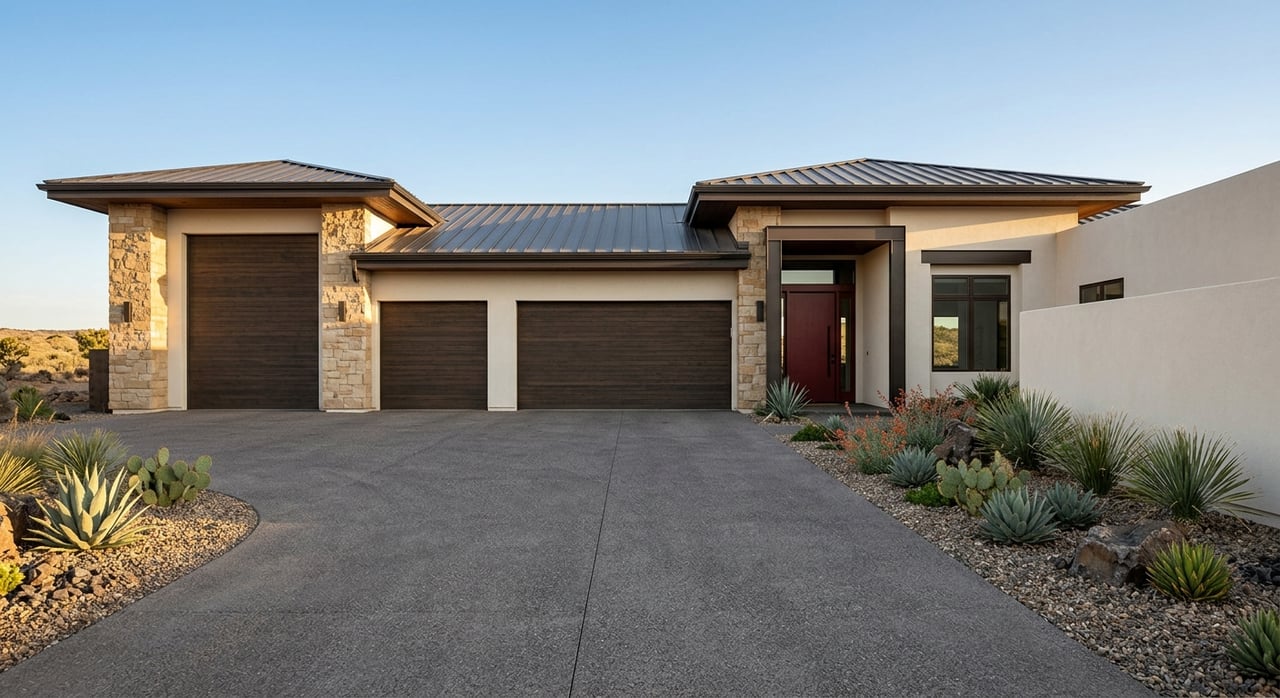
New Fruita builds often feature open floor plans, energy-efficient HVAC, contemporary kitchens with quartz or granite, and attached two-car garages. Many planned neighborhoods include common-area amenities and may provide front-yard landscaping or irrigation packages as part of the purchase. Always request the builder’s full list of standard features and allowances so you understand what is included vs what is an upgrade. Builder details and contact points are available on the Copper Creek Builders site.
Timing and protections
Production or spec homes commonly run on a several-month schedule from permit to completion. Semi-custom and fully custom homes often take 12 to 15 months or more. Local permitting, weather, and subcontractor availability will drive the final timeline, and quick-move inventory is usually the fastest path. Get a written schedule from the builder and confirm permitting timeframes with the city.
For protection, many reputable builders enroll their homes in “1-2-10” new-home warranty programs. That typically means one year for workmanship, two years for major systems, and ten years for structural coverage. Ask for the official warranty booklet and who administers claims. You can review a standard overview from an industry provider in this 2-10 Home Buyers Warranty brochure.
Costs to watch on a new build
- Base price vs options. Upgrades add up quickly. Confirm allowances for flooring, counters, and fixtures in writing.
- Lot premiums. Corner, cul-de-sac, or view lots can carry additional cost.
- Landscaping and fencing. Some builders include front-yard landscaping. Clarify rear-yard scope, fencing, and irrigation.
- HOA dues. Fees vary by community and may cover common areas, irrigation water, or landscape maintenance. Request budgets and Covenants, Conditions and Restrictions.
- Incentives. Builders often prefer lender credits or rate buydowns rather than base-price cuts. See examples of how production builders structure incentives in this guide to buying a tract home.
Resale homes: what to know
What you’ll find and pay
Resale inventory spans established ranch and two-story homes in town and larger acreage outside city limits. The city’s materials place Fruita’s median resale price in the high 400Ks, near $469,800 in early 2025. See the Fruita Housing Needs Assessment for a snapshot of pricing.
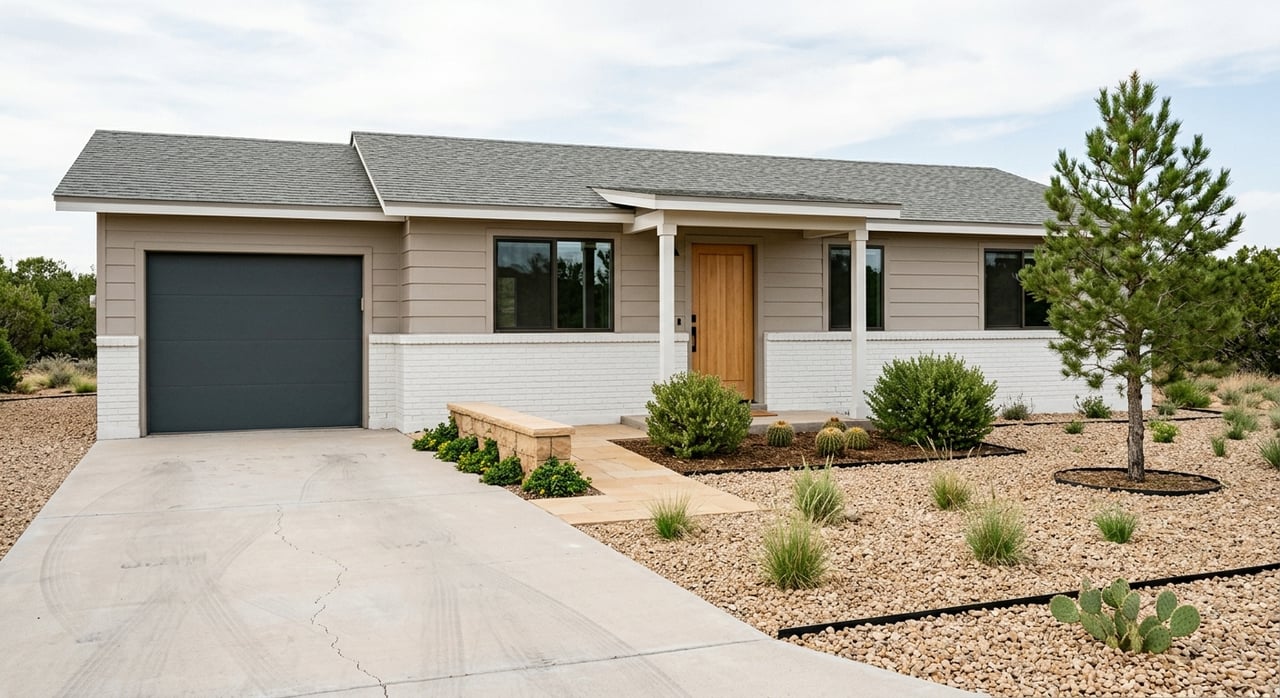
Typical in-town lots often fall in the 0.12 to 0.28 acre range. Finishes vary widely. Some homes have been remodeled with updated kitchens and systems, while others may reflect original fixtures and need upgrades.
Timeline, inspections, and operating costs
Resale purchases can often close in 30 to 60 days once under contract. You will want a thorough inspection to identify near-term repairs, especially on roofs, HVAC, windows, and appliances. Older homes may carry higher operating costs than new builds due to less efficient systems. A national buyer’s guide summarizing these tradeoffs is a helpful reference on new construction vs resale operating costs.
HOAs and neighborhood rules
Many established neighborhoods do not have HOAs, while newer subdivisions often do. If an HOA is involved, review the recorded CC&Rs, the current budget, any reserve study, and rules regarding landscaping, irrigation, and rentals. Fruita PUD documents outline the expectations developers must meet for improvements and covenants. See the city’s PUD guidance in this Fruita document center resource.
New vs resale: a quick decision checklist
- Price. Resales can offer broader choice near the high 400Ks. New homes often carry a premium for new systems, energy efficiency, and included amenities. Compare total cost per square foot plus options and landscaping.
- Lot size and privacy. If you want one acre or more, you will likely be shopping county parcels or estate-lot offerings. For low-maintenance yards near parks and trails, look to in-town subdivisions.
- Move-in speed. Resale usually closes faster. Quick-move spec homes can be competitive. Custom builds take the longest.
- Customization. New builds let you pick finishes and, in some cases, make plan tweaks. Resales may require a remodel to achieve the same look.
- Maintenance. New construction minimizes near-term repairs and includes warranty protections. Resales can come with immediate projects.
- HOAs and rules. Newer communities often include HOAs and design guidelines. Older neighborhoods may have fewer restrictions. Always request CC&Rs and budgets before you commit.
- Utilities and infrastructure. Outside-town lots may require septic and have different utility providers. Confirm water, sewer, irrigation, and easements early.
- Financing and incentives. Builders may offer rate buydowns or closing credits that shift your monthly cost. Ask for a detailed estimate from the builder’s preferred lender and compare it with your own lender.
Budgeting in Fruita: line items to plan for
- Earnest money and deposits. Builders often require higher deposits than resales and may ask for option deposits on upgrades.
- Appraisal and appraisal gaps. New builds sometimes appraise differently than resales due to limited recent comps. Discuss gap strategies with your agent and lender.
- Site work and exterior items. Fencing, rear landscaping, and window coverings can be noticeable post-closing costs on a new build.
- Immediate repairs on resales. Budget for roof tune-ups, HVAC service or replacement timelines, and appliance lifecycle.
- HOA dues and transfer fees. Clarify what HOA fees include and whether there are working-capital contributions at closing.
- Septic and well considerations. On estate lots, factor septic installation, permits, and ongoing maintenance where applicable.
What’s coming next in Fruita
City planning updates show a steady pipeline of projects and plats under review, which supports more choice in the near term for both in-town lots and denser small-home communities. Keep an eye on the city’s project list and the 40-acre riverfront “The Launch,” highlighted in the Weekly Information Update. Local news also covers new filings, such as proposals for additional homes inside city limits. See an example of recent coverage from KKCO 11 News.
How to choose with confidence
- Clarify your move-in date. If you need to be in a home within 60 days, prioritize resales and quick-move new inventory.
- Define non-negotiables. Lot size, garage or shop space, and neighborhood amenities often drive the decision more than cosmetics.
- Compare total monthly cost. Weigh the base price against potential repairs on a resale and the energy savings and warranties on a new build.
- Review documents early. Ask for CC&Rs, HOA budgets, plats, and utility details. City PUD guidance explains how covenants are recorded in Fruita. Start with the PUD reference document.
- Get the builder’s specifics in writing. Request standard features, timelines, warranty administrator info, and incentive sheets. The Copper Creek Builders site is a good example of where to find standard features.
- Lean on local market expertise. A clear look at neighborhood comps, incentives, and build timing can save you time and money.
If you are deciding between a new build and a resale in Fruita, we are here to help you compare apples to apples. Reach out to schedule a consult with The Agency Grand Junction for a side-by-side analysis, current incentives, and a plan that fits your timeline.
FAQs
How do prices for new builds compare to resales in Fruita?
- New communities often advertise starting prices around the upper 400Ks to 500Ks, while recent city data places resales near a $469,800 median, so compare total cost including options, landscaping, and HOA.
How long does it take to build a new home in Fruita?
- Production or spec homes commonly complete in several months after permits, while semi-custom or custom builds often take 12 to 15 months or more depending on weather, permitting, and trades.
Do new-home warranties offer real protection?
- Many builders use “1-2-10” programs that cover one year of workmanship, two years of systems, and ten years of structural elements; always request the actual warranty booklet and administrator details.
What HOA documents should I review before buying?
- Ask for recorded CC&Rs, the current budget and any reserve study, fee amounts and what they include, plus any rules on irrigation, landscaping, or rentals.
Can I find one-acre lots near Fruita?
- Yes, estate-lot and county parcels exist around Fruita, but they often require septic and different utility setups, so verify water, sewer, irrigation, and easements early.