Pricing your home is the single biggest lever you control. Price too high and you risk weeks of slow showings and a lower final number. Price with a clear strategy and you can shorten time on market and protect your bottom line. If you are thinking about selling in Grand Junction, you deserve a plan that uses local data, not guesswork.
In this guide, you will learn how to read today’s Mesa County market, build a rock-solid price range using comparable sales, choose the right launch strategy, and adjust fast based on early feedback. Let’s dive in.
Market snapshot: early 2026
Grand Junction’s pricing picture depends on the source and metric you use. Here is how to frame it so you avoid confusion:
- Redfin reported a Grand Junction median closed sale price near $375,000 with about 53 median days on market in January 2026.
- Zillow’s Home Value Index showed a typical value near $410,000 through January 31, 2026.
- County-level data often reads higher. Local brokerage reporting for early 2026 places medians in the low to mid $300k–$400k range, with inventory near 593 active listings in January and months of inventory around 3 across many price bands. That aligns with a seller-leaning market, but not the ultra-tight conditions of the pandemic peak. You can review the local summary in Bray Real Estate’s January update, which also notes that prices generally held steady as inventory ticked up (local market update).
- Local news coverage highlighted an 8% year-over-year increase in active inventory for January 2026, which gives buyers a bit more choice while keeping sellers focused on sharp pricing and strong presentation (inventory up 8% coverage).
Financing matters too. In late February 2026, Freddie Mac’s weekly survey showed 30-year fixed rates hovering near 6%, which tends to support more buyer activity than when rates were significantly higher (Freddie Mac PMMS). Rates change weekly, so check the latest numbers before you list.
Why the medians differ
- Median closed sale price reflects what actually sold in that month.
- ZHVI (Zillow Home Value Index) is an index-based estimate that smooths data and does not equal a median sale price.
- Local broker reports often use MLS closed sales plus internal tracking of inventory.
The bottom line: pick one metric for your frame, date-stamp it, and anchor your pricing to a local CMA for your address.
Know your buyer pool and price band
In 2025, the most active transaction band locally was $300,000 to $399,000, with strong activity across North and central Grand Junction and the northeast submarket. This matters because pricing into an active band expands your immediate buyer pool and comp set (local price-band context).
Grand Junction’s economy is anchored by healthcare, education, county government, and regional services, with Colorado Mesa University playing a significant role. These employer concentrations support steady housing demand with buyer profiles that can differ from Denver or mountain resort markets (Grand Junction economy overview).
Seasonality still matters. Late spring through summer is often the busiest listing window locally, though year-round activity has grown. If you launch outside the peak, lean even more on careful pricing and standout marketing.
Build a rock-solid CMA
A defensible price starts with local comparable sales and a clear method. Use this framework and ask your agent to show their work.
Step 1: Time window
- Start with closed sales from the last 3 to 6 months in your immediate neighborhood.
- If volume is thin, you can widen to 9 to 12 months, but document why and apply time adjustments supported by market evidence, consistent with appraisal guidance (Fannie Mae appraiser update).
Step 2: Geography
- Pull comps from the same submarket, such as North Grand Junction, Redlands, or Orchard Mesa.
- If your home is unique, expand the radius and explain any location adjustments. Use the Mesa County Assessor and GIS to confirm parcel size, legal description, and prior transfers (Mesa County Assessor lookup).
Step 3: Quantity and quality
- Aim for 3 to 6 sold comps, prioritize the most similar properties, and add relevant pending and active listings to see momentum and competition.
- Create a simple comp table that shows sale date, price, square footage, beds and baths, lot size, condition, garage, and key features.
Step 4: Defensible adjustments
- Adjust for living area, bedroom and bathroom count, lot size, condition and finishes, garage and outbuildings, views, pools, or ADUs.
- Use paired sales or local price per square foot patterns to support the amounts. Avoid arbitrary figures. Colorado valuation manuals stress market-driven, well-documented adjustments (Colorado valuation manual).
Step 5: Reconcile to a range
- Present a tight range with low, most likely, and high. Show how each comp influenced your range and how time and feature adjustments were applied.
- Then pick your market position based on your goals: fastest sale, balanced approach, or top-of-market test.
Choose a pricing strategy
Picking a launch price is a strategy decision informed by your CMA, timing, and the property’s appeal.
- Market-value launch. List at the CMA midpoint to target steady showings and a predictable timeline. This suits homes with strong condition and plenty of comps. In late 2025, countywide sale-to-list ratios often hovered in the high 90% to near 100% range, so accurate launch pricing helped sellers avoid long days on market (context on local trends).
- Slightly under market. List about 3% to 5% below your most likely value to maximize early traffic. Works best in the most active price bands when your presentation is dialed in. The goal is to create urgency and improve your odds of multiple offers.
- Aspirational premium. Test a higher number only when you have unique, provable features and nearby aspirational comps. Understand the tradeoff. Longer days on market and price reductions are common if buyers do not see the value, and appraisals may not support it without strong sold comparables.
Launch plan and your first 30 days
A smart launch pairs a clean price with a system to read the market quickly.
Pre-list: 2 to 6 weeks
- Run the CMA, confirm parcel facts with Mesa County tools, and prioritize low-cost, high-impact fixes.
- Stage where appropriate and book professional photos timed to favorable light and weather.
Launch: Day 0
- Hit the market at your chosen strategy price.
- Activate targeted outreach and watch early signals closely. Analytics tools help track listing views, saves, and showing conversion so you see what buyers are doing in real time (ClearProp overview).
Market test window: Days 1 to 14
- Expect the strongest interest in the first 7 to 14 days.
- Track showings per week, open-house traffic, online views and saves, and how you compare to similar new listings in your submarket. If activity lags meaningfully behind peer launches, plan a single substantive adjustment, often 2% to 5%, rather than a series of small cuts.
Re-price or re-market: Days 14 to 30
- If you have light showings and no strong offers by the end of week two, consider a price move or buyer incentives such as a rate buydown or closing credit. Local sellers in 2025 often negotiated small concessions, and many final sales landed in the high 90% of list.
Read the early signals
Ask your agent to report these weekly in the first month:
- Showings per week and feedback themes.
- Online portal metrics: views, saves, and tour requests relative to similar listings.
- Days on market versus your submarket median.
- Price per square foot and list-to-sale ratio trends in your comp set.
If your numbers sit below peers and your feedback repeats price sensitivity, adjust. If showings are strong and buyers comment positively on value, hold your price and let the market work.
Avoid common pricing mistakes
- Overpricing to “leave room.” This often suppresses early traffic and leads to deeper cuts later. In many recent months, local sale-to-list performance clustered near list price, which means the launch price does most of the work.
- Relying only on national AVMs. Automated values are a useful starting point, but they can miss micro-differences such as lot size, view corridors, permitted improvements, or nearby road noise. Trust a local CMA and actual sold comps for your address.
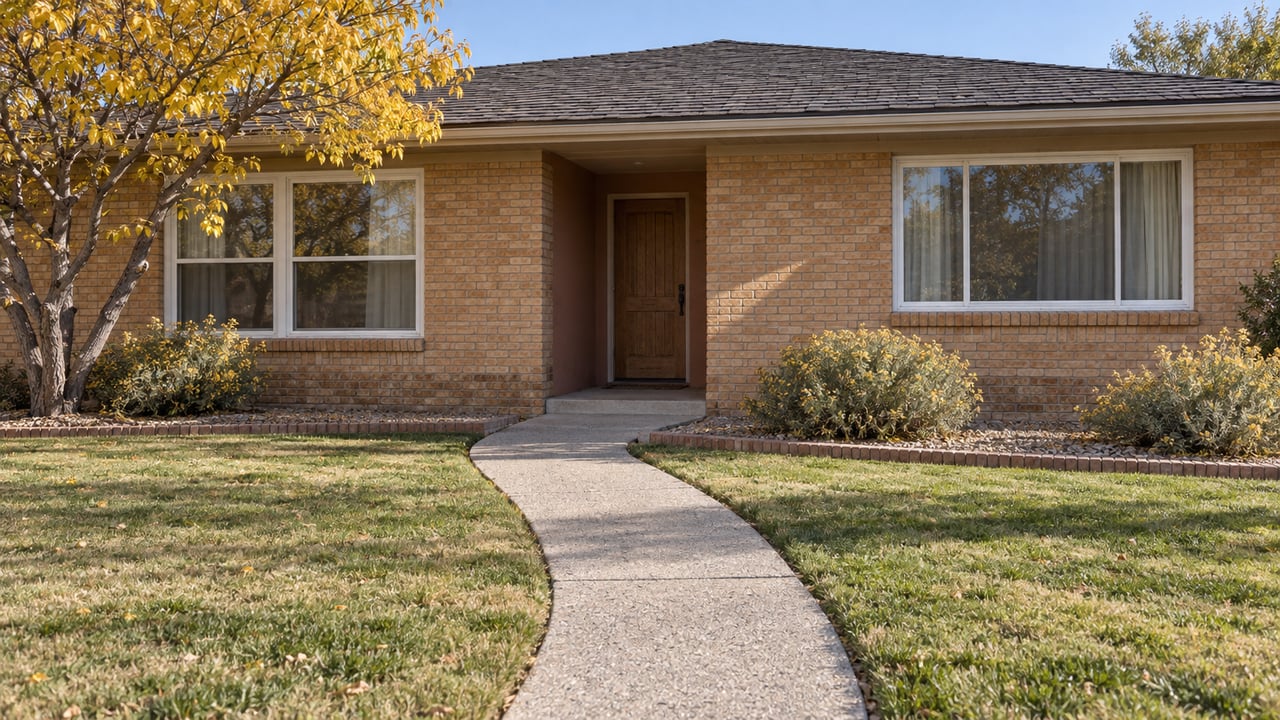
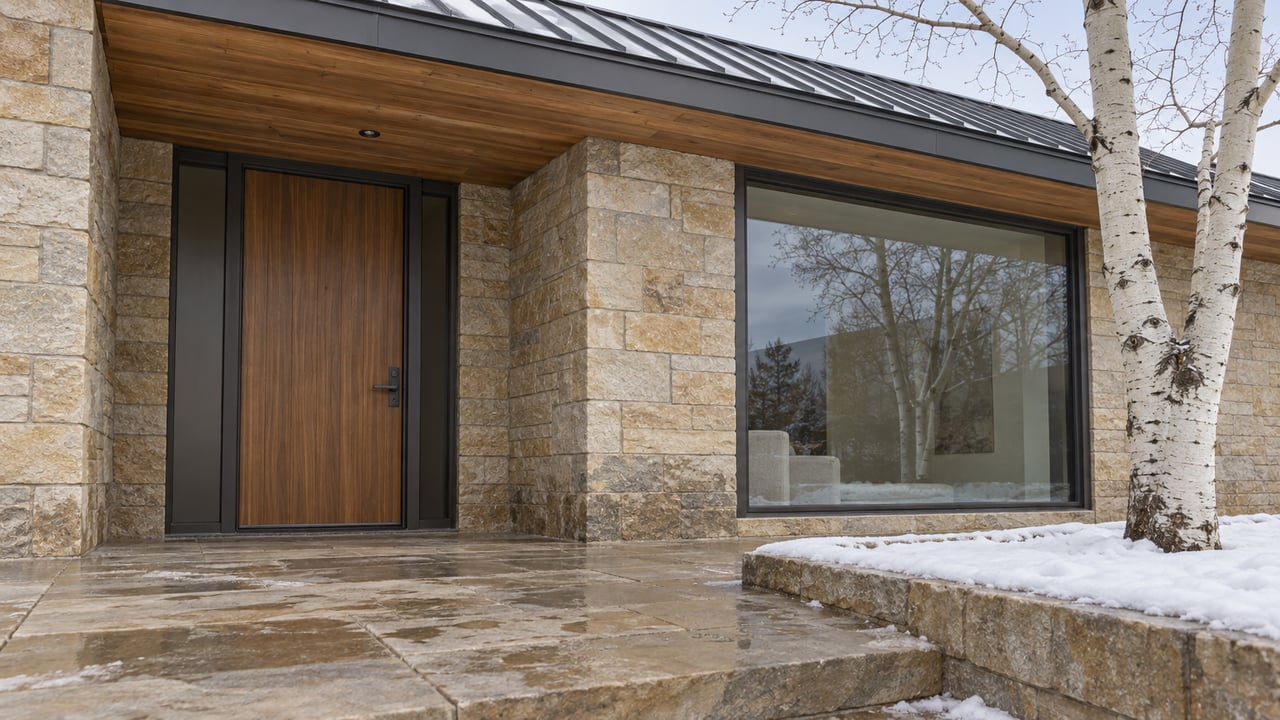
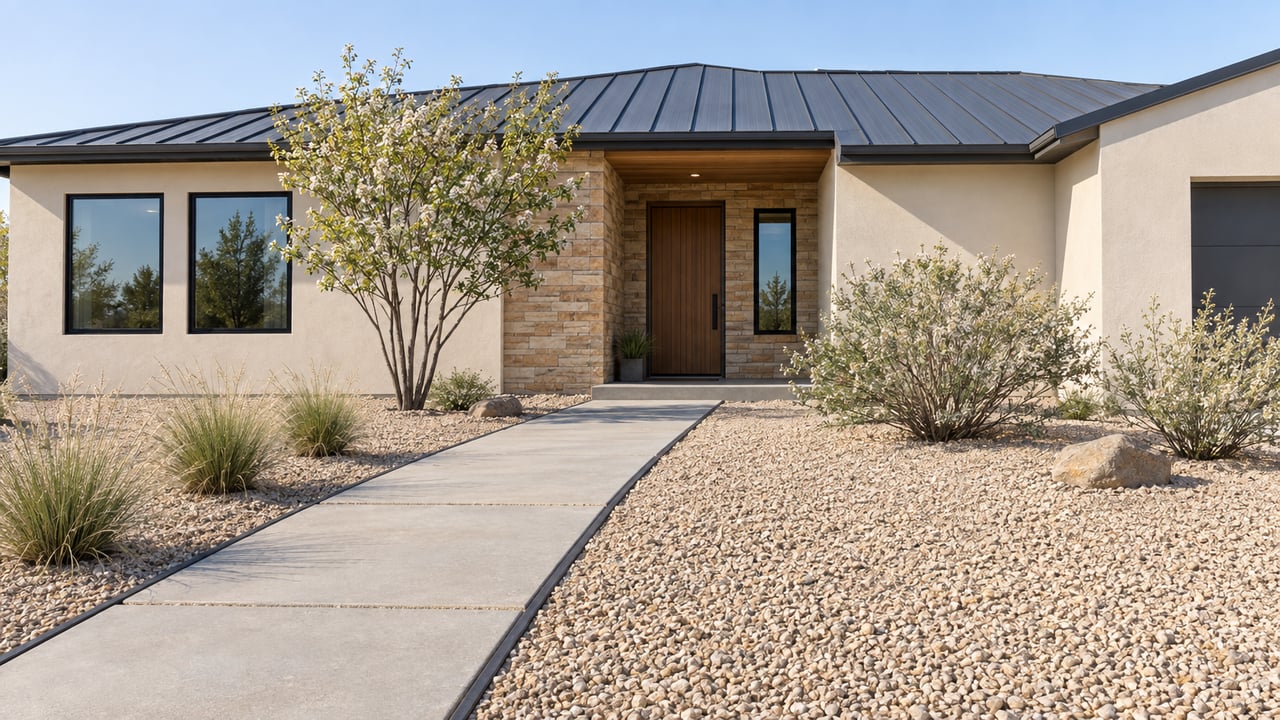
- Skipping small, high-ROI fixes. Items like a fresh entry door, a new garage door, or minor kitchen updates often return a high share of cost at resale. Use ROI guidance to prioritize what to do before photos and showings (2025 Cost vs Value highlights).
Pre-list pricing checklist
- Pull a CMA with recent solds, pendings, actives, and expired listings, plus a short note explaining any time or location adjustments.
- Confirm parcel details and prior transfers through the Mesa County Assessor and GIS.
- Complete visible, high-ROI fixes and light touch-ups.
- Stage key rooms and book professional photography.
- Agree with your agent on the exact launch price, buyer incentive options, and a written re-price rule with day 7 and day 14 checkpoints.
Seasonality and timing tips
- Spring and summer typically draw more buyers. If you list in fall or winter, sharpen price and polish presentation to compete with fewer but serious shoppers.
- Rising or falling mortgage rates can shift affordability quickly. Re-check the current 30-year rate the week you go live (Freddie Mac PMMS).
- In a market with around 3 months of inventory in many bands, small price steps can push you into a different buyer pool. Use your CMA to stay in the most searched bracket for your home type.
When you want a clear price strategy supported by neighborhood-level comps and a 30-day launch plan, our team can help. We blend rigorous analytics with a white-glove process so you can sell with confidence. Connect with The Agency Grand Junction to talk timing, pricing, and presentation, and Get a Free Home Valuation.
FAQs
What is the best way to set an asking price in Grand Junction?
- Start with a local CMA using 3 to 6 recent solds in your submarket, add pending and active listings for momentum and competition, and reconcile to a tight range before selecting your launch strategy.
Why do different websites show different median prices for Grand Junction?
- Each source uses a different method. Some report closed-sale medians for a month, while others publish an index estimate that smooths data. Always date-stamp the figure and rely on an address-specific CMA for your home.
How long should I wait before adjusting my price?
- The first 7 to 14 days are the most telling. If showings and saves trail similar new listings and feedback points to price, a single substantive adjustment, often 2% to 5%, is more effective than multiple small cuts.
What small improvements help my home justify the price?
- Focus on high-ROI items buyers notice fast, such as curb appeal, an updated entry or garage door, fresh paint touch-ups, lighting, and minor kitchen or bath refreshes.
How do mortgage rates influence my pricing strategy?
- Rates change buyer affordability. When 30-year rates ease, more buyers can act, which can support firmer pricing. Re-check the current rate before launch and align your price with the most active buyer pool.
Do I need to match the most active price band to sell well?
- Not necessarily, but pricing into an active band can increase your immediate audience and comp count. If your home sits above or below that band, rely on sharp presentation and a data-backed price range to compete.